Lughnasadh and Lammas – What’s the Difference? A Very Concise History of the Celtic and Anglo Saxon Nations

We explain what the Celtic Nations are and what the difference between Lughnasadh and Lammas. Snazzy, eh?

Hello Coven, me again, what can I say, I am NEEDY for your love and most likely in the middle of a hyper fixation….You’re welcome! Anyhow, further to my earlier post on Lughnasadh and Lammas I wanted to share a post I wrote for an upcoming project I am working on (around Celtic Heritage….eiiii) about the variance between the two festivals. The British Isles has a fascinating history featuring a mix of cultures including Celtic, Anglo Saxon, Norse (Yip, they get around everywhere, bless ‘em),Norman and even blooming the fabulous cultures that the Roman army brought over, we certainly have a multi-cultural vibe going on. So I just wanted to add a bit more nuance to variance between the festivals historically. 

Firstly, what are the celtic nations? 

File:Map of Celtic Nations-flag shades.svg” by QuartierLatin1968 is licensed under CC BY-SA 3.0.

The Celtic Nations

The Celtic nations are regions in Western Europe where Celtic languages and cultural traditions have endured. There are six recognised Celtic nations:

  1. Ireland (Éire) [Green] Aka Emma’s Mother Land ❤
    • Language: Irish Gaelic (Gaeilge)
    • Highlights: Rich traditions in music, dance, and folklore. Historical sites like the Hill of Tara reflect its ancient Celtic roots.
  2. Scotland (Alba) [Blue] Aka Ajs Mother Land 
    • Language: Scottish Gaelic (Gàidhlig)
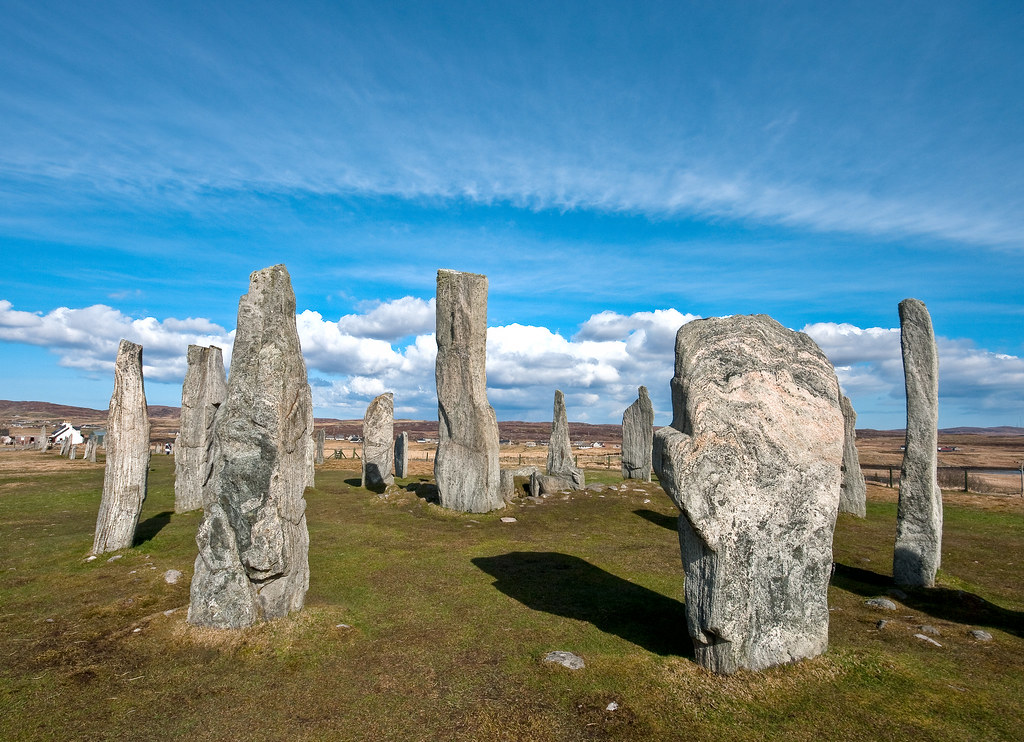
    • Highlights: Famous for wild haggis, bagpipes, kilts, and Highland games. The language is spoken in the Highlands and the Western Isles, with historical sites like the Callanish Stones. 
  3. Wales (Cymru) [Red] 
    • Language: Welsh (Cymraeg)
    • Highlights: Known for male voice choirs and the Eisteddfod festival. The beautiful Welsh language is NOW widely spoken and taught especially in the north and west but this is only recently but let’s talk about colonisation in another post…. 
  4. Brittany (Breizh) [Black] 
    • Language: Breton (Brezhoneg)
    • Highlights: Located in northwest France, it features traditional music and dance (fest-noz). The Breton language is spoken by a minority, with megalithic sites like Carnac.
  5. Cornwall (Kernow) [Yellow]
    • Language: Cornish (Kernewek)
    • Highlights: Situated in southwestern England, known for mining, fishing, and folklore. The language, like Welsh is experiencing a revival, with cultural sites like Tintagel Castle.
  6. Isle of Man (Mannin) [Mustard] 
    • Language: Manx Gaelic (Gaelg)
    • Highlights: The island has a unique Celtic and Norse heritage, with traditional music and the annual Tynwald Day ceremony. Manx Gaelic is being revived through education.

Other Regions with Celtic Influence

  • Galicia and Asturias (Spain): These regions have significant Celtic cultural elements, especially in music and dance.

And finally England [White]: 

Why England Isn’t a Celtic Nation (Explained Politely)

While certain regions of England, such as Cornwall, have Celtic roots, England as a whole is not considered a Celtic nation. This is due to the significant Anglo-Saxon and Norman influences that have shaped its cultural and linguistic identity, overshadowing the earlier Celtic heritage. The predominant language and cultural practices in England evolved separately from the distinct Celtic traditions maintained in the recognised Celtic nations.

Union of Nations Celtics

Combined flag of the Celtic nations” by BzhSamTheRipper is licensed under CC BY-SA 3.0.

Ok, phew – let’s get to the festival variances between the festival and a detailed comparison of the two:

Lughnasadh:

Origins and Etymology

  • Celtic Festival: Lughnasadh is rooted in ancient Celtic tradition. The name Lughnasadh (pronounced “Loo-nah-sah”) is derived from the god Lugh, a prominent deity in Celtic mythology, and “nasadh,” which means assembly.
  • Mythological Significance: Lughnasadh was established by Lugh to honor his foster mother, Tailtiu, who died from exhaustion after clearing the plains of Ireland for agriculture. It is a celebration of the harvest and a commemoration of Tailtiu’s sacrifice. Thanks Tailtiu!

Celebrations and Traditions

  • Feasting and Games: Central to Lughnasadh are communal feasts and athletic games, reflecting Lugh’s associations with skill and competition. These games included horse racing, wrestling, and various contests of strength and agility.
  • Religious Rituals: Offerings of the first fruits of the harvest were made to the gods, particularly to Lugh, to ensure continued fertility and abundance. Rituals often took place at sacred sites such as hilltops and stone circles.
  • Craftsmanship: As Lugh was a god of many talents, craftsmanship and artistic skills were celebrated. Exhibitions and competitions in various crafts were held, showcasing the community’s talents.
  • Fire Festivals: Bonfires were lit as part of the festivities, symbolising purification and the power of the sun. The Celts love a fire festival, and celebrate 4 year. Nice.

Cultural Context

  • Irish and Scottish Heritage: Lughnasadh is primarily celebrated in regions with strong Celtic heritage, such as Ireland and Scotland. It has deep roots in the agricultural calendar and the Celtic mythology of these areas.
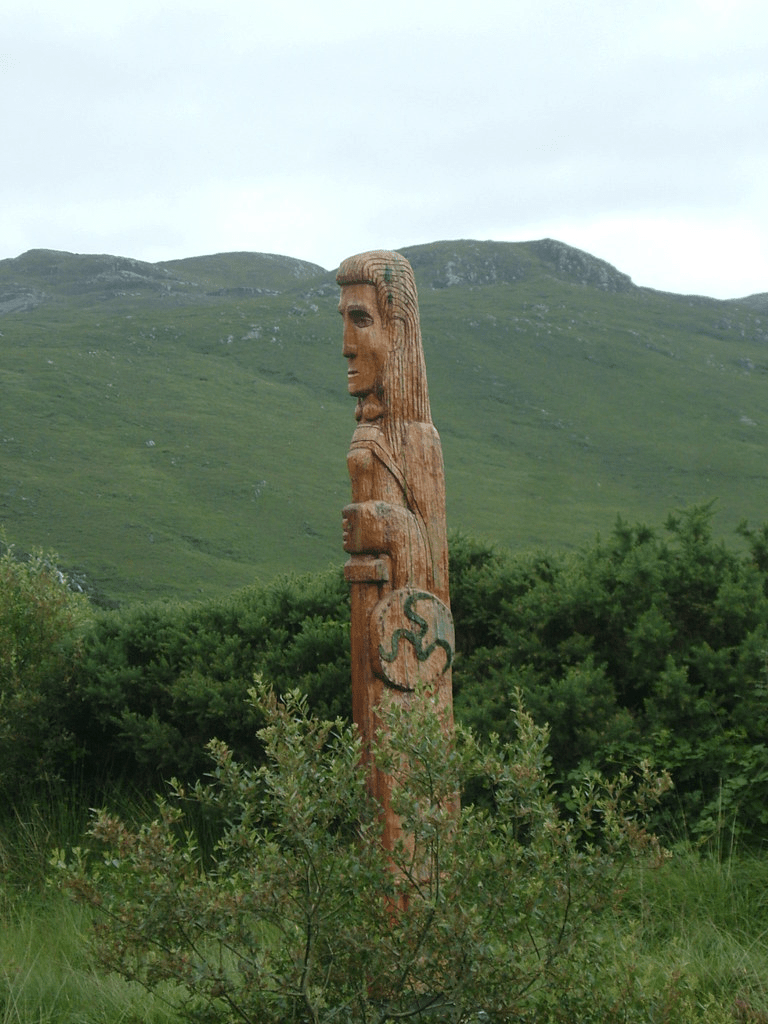
Lúgh Láimh Fada == Lu of the Long Hands” by Liamfm . is licensed under CC BY-SA 2.0.

Lammas

Origins and Etymology

  • Anglo-Saxon Festival: Lammas, from the Old English “hlafmaesse,” translates to “loaf mass.” It was a Christian festival that marked the blessing of the first loaf of bread made from the new wheat crop.
  • Christian Integration: As Christianity spread through the British Isles, Lammas became integrated into the Christian liturgical calendar. It was a time to give thanks to God for the first fruits of the harvest and to bless the bread made from the new grain.

332 Lammas Festival” by Trinity Trees is licensed under CC BY-SA 2.0.

Celebrations and Traditions

  • Blessing of Bread: The primary ritual of Lammas involved baking a loaf of bread from the first harvested grain and taking it to church to be blessed. This act symbolized gratitude for the harvest and the provision of daily bread.
  • Feasting and Community Gatherings: Similar to Lughnasadh, Lammas involved communal feasting and sharing of the harvest’s bounty. It was a time for communities to come together and celebrate the season’s abundance.
  • Agricultural Customs: In addition to the religious aspects, Lammas was also marked by various agricultural customs, such as the reaping of the first wheat and the preparation of fields for the next planting season.

Cultural Context

  • Medieval and Early Modern England: Lammas was widely celebrated in medieval and early modern England. It reflects the integration of pagan harvest festivals into the Christian tradition, demonstrating the adaptability and syncretism of religious practices during this period.

Comparison and Modern Celebrations

Common Themes

  • Harvest Celebration: Both Lughnasadh and Lammas celebrate the beginning of the harvest season, giving thanks for the first fruits and acknowledging the hard work of the agricultural cycle.
  • Community and Feasting: Communal meals and gatherings are central to both festivals, fostering a sense of community and shared gratitude.
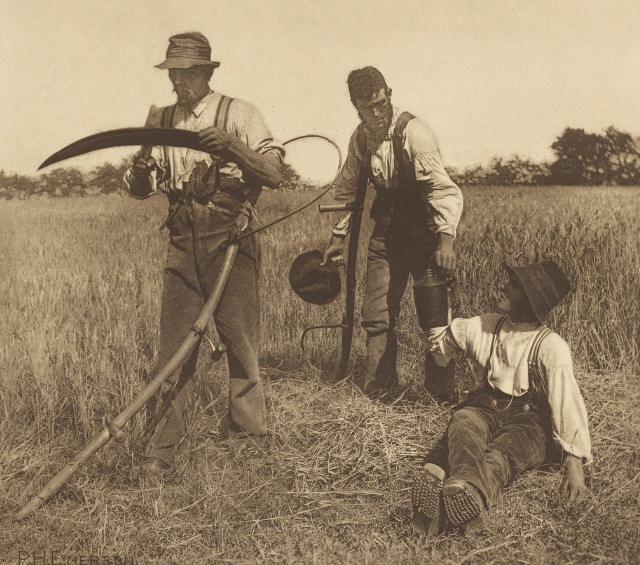
Barley-Harvest. [Suffolk.] Peter Henry Emerson” by J. Paul Getty Museum is marked with CC0 1.0.

Differences in Focus

  • Deity vs. Christian Context: Lughnasadh is specifically tied to the Celtic god Lugh and his mythological significance, whereas Lammas is a Christianized festival focusing on the blessing of bread and the harvest.
  • Cultural Origins: Lughnasadh has its roots in Celtic traditions and is primarily associated with Ireland and Scotland. Lammas, on the other hand, is an Anglo-Saxon festival that became integrated into Christian practices in England.

Modern Celebrations

  • Neo-Pagan Practices: Many modern Neo-Pagans celebrate Lughnasadh by incorporating traditional Celtic rituals, such as crafting corn dollies, baking bread, and holding feasts and games. These practices honor the historical roots and the god Lugh.
  • Wiccan Sabbats: In Wiccan tradition, both Lughnasadh and Lammas are celebrated as one of the eight Sabbats in the Wheel of the Year. Wiccans might blend elements of both traditions, focusing on harvest themes, gratitude, and community.
  • Mordern Witches: Many witches follow the wheel of the year but don’t have associations with any deities and in some cases are antheist but include elements of the celebrations in their practices (Again, hello fwends!)
  • Contemporary Christian Observance: Some Christian communities continue to observe Lammas with the blessing of bread and thanksgiving services, maintaining the festival’s historical Christian elements.
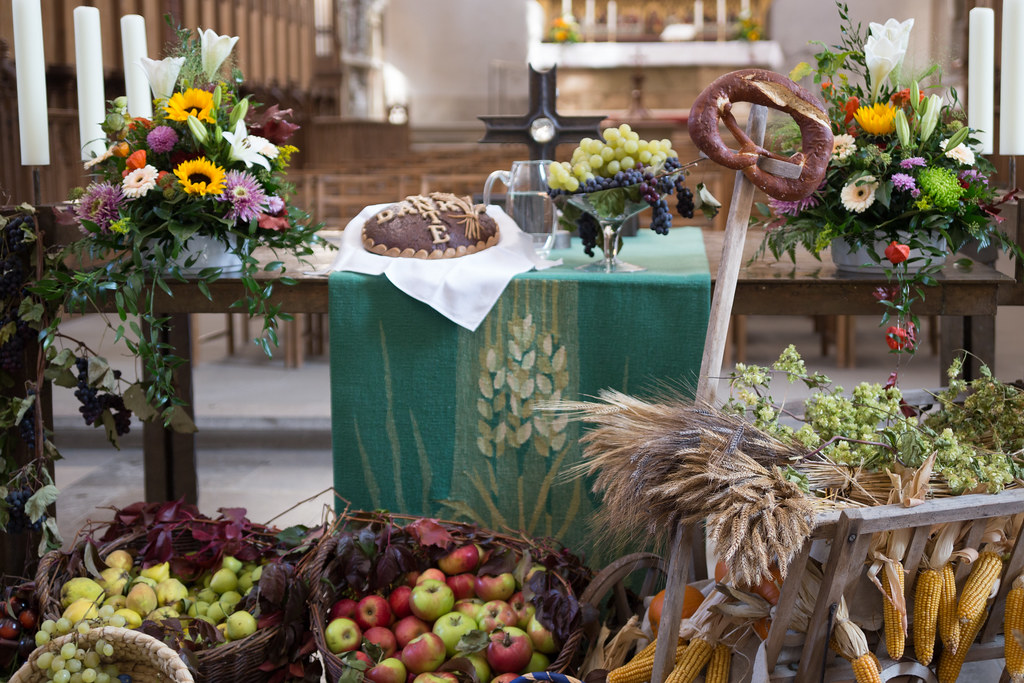
Harvest Altar” by allynfolksjr is licensed under CC BY 2.0.

So there you have it! While Lughnasadh and Lammas share common themes of harvest and gratitude, they originate from distinct cultural and religious traditions. Lughnasadh is deeply rooted in Celtic mythology and the veneration of the god Lugh, while Lammas has its origins in Anglo-Saxon Christian practices centered around the blessing of the first bread. Both festivals, however, offer rich traditions and practices that celebrate the abundance of the earth and the importance of community.

Like this article? Why not sign up to our newsletter and or social channels? We love to hear from you! 

@Bunnypudding (Tiktok) / @Bunnyscopes (Instagram)

Ems xX
References

Featured image: “The grass bends, the oak breaks (harvest series)” by Rising Damp is licensed under CC BY 2.0.

Hutton, Ronald. The Stations of the Sun: A History of the Ritual Year in Britain. Oxford University Press, 1996.

Pennick, Nigel. The Pagan Book of Days: A Guide to the Festivals, Traditions, and Sacred Days of the Year. Destiny Books, 1992.

Farrar, Janet and Stewart. Eight Sabbats for Witches. Robert Hale, 1981.

Grimm, Jacob. Teutonic Mythology. George Bell and Sons, 1883.

MacNeill, Máire. The Festival of Lughnasa: A Study of the Survival of the Celtic Festival of the Beginning of Harvest. Oxford University Press, 1962.
The Celtic Celebration of Lughnasadh and the God Lugh

Its all Live, Laugh, Lugh! in todays post as we explore The Celtic Celebration of Lughnasadh and it’s name sake, the God Lugh

Three times a charm today Coven! As a bit of a teaser for a project that I am working on, here is a little explainer into the Celtic God Lugh and Lughnasadh, any questions or queries please let me know…but let’s dive in shall we?

Lughnasadh holds a significant place in the Celtic tradition as one of the four major fire festivals, along with Imbolc, Beltane, and Samhain. Celebrated on August 1st, Lughnasadh marks the beginning of the harvest season and is named after the god Lugh, a prominent figure in Celtic mythology.

The Celtic Celebration of Lughnasadh

The ancient Celts had a deep connection to the cycles of nature, and their festivals reflected the agricultural rhythms of their lives. Lughnasadh was no exception and was celebrated with a variety of customs that honored the harvest, fostered community ties, and paid homage to Lugh.

Feasting and Games
Lughnasadh was a time of communal feasting, where people gathered to share the bounty of the first harvest. These feasts included freshly baked bread, seasonal fruits, and other agricultural products. Sharing food was a way to strengthen community bonds and express gratitude for the earth’s abundance.
Athletic games and competitions were also a central feature of Lughnasadh celebrations. These games, often held in honor of Lugh, included feats of strength, speed, and skill. Horse races, wrestling matches, and various other contests showcased the talents and vitality of the community. These activities were not only a form of entertainment but also a way to honor the physical prowess and competitive spirit that Lugh represented.

    Crafts and Handiwork
    Craftsmanship was another important aspect of Lughnasadh. People would display their handiwork, including weaving, metalwork, and other crafts. This emphasis on skill and creativity was a tribute to Lugh, who was renowned for his multifaceted talents. Competitions and exhibitions of crafts were common, allowing individuals to showcase their abilities and receive recognition from their peers.

    Callanish Stone Circle” by Travels with a dog and a Camera 🙂 is licensed under CC BY 2.0.

    Religious Ceremonies and Offerings
    Religious rituals were integral to the celebration of Lughnasadh. These ceremonies often took place at sacred sites such as hilltops, stone circles, and other natural landmarks. Offerings of the first fruits of the harvest, particularly grain, were made to the gods to ensure continued fertility and abundance. These offerings might include loaves of bread, freshly harvested grains, and other symbolic items.
    Bonfires were also lit during Lughnasadh, serving as a focal point for communal gatherings and rituals. Fire, a symbol of purification and transformation, played a crucial role in Celtic festivals. People might dance around the bonfires, leap over the flames for luck, and use the fire’s energy to bless their homes and fields.

    Cultural and Social Activities
    Lughnasadh was not only a religious and agricultural festival but also a cultural and social event. Storytelling, music, and dance were integral parts of the celebrations. Bards and poets would recite tales of heroes, gods, and the land, reinforcing the cultural heritage and values of the community. Music and dance brought people together, fostering a sense of unity and joy. Any excuse for a party, eh? Anyway whilst y’all here *Pulls out my poetry notes and clears throat* There was once a woman from Stoke, who got something caught…

      Lúgh Láimh Fada == Lu of the Long Hands” by Liamfm . is licensed under CC BY-SA 2.0.

      Lugh: The Multifaceted Celtic God

      Lugh, pronounced “Loo-g” and in is one of the most revered deities in Celtic mythology. Known by various epithets such as Lugh Lámhfhada (Lugh of the Long Arm) and Samildánach (Skilled in All Arts), Lugh’s character and deeds are central to the themes of Lughnasadh.

      Origins and Mythology
      Lugh is a member of the Tuatha Dé Danann, a race of supernatural beings in Irish mythology. His parentage is a mix of the divine and the mortal (Dude, same!) as he is the son of the god Cian and the Fomorian princess Ethniu. This union symbolises the bridging of different worlds and the integration of diverse qualities within Lugh.
      One of the most famous myths involving Lugh is his entry into the court of King Nuada at Tara. According to the story, Lugh approached the gates of Tara seeking entry, but the doorkeeper refused him, stating that only those with a special skill were allowed in. Lugh then listed his numerous skills, including warrior, poet, harpist, blacksmith, and physician, among others. When the doorkeeper was unable to find anyone who possessed all these skills, Lugh was admitted and became a prominent figure at Tara. Safe to say, I am taking the vibes of Lugh with me next time I try to get into a west London Club (I am joking, I’d rather eat my own head then go to West London club but you get what I mean)

        Attributes and Symbolism
        Lugh is often associated with the sun and light, embodying the qualities of illumination, clarity, and inspiration. His long arm signifies his far-reaching influence and his ability to extend his power and protection over his followers.
        As a god of many talents, Lugh represents excellence and mastery in various fields. This aspect of his character encourages individuals to develop their skills and talents to their fullest potential. Lugh’s multifaceted nature also symbolises versatility and adaptability, important traits for survival and success in both personal and communal life.

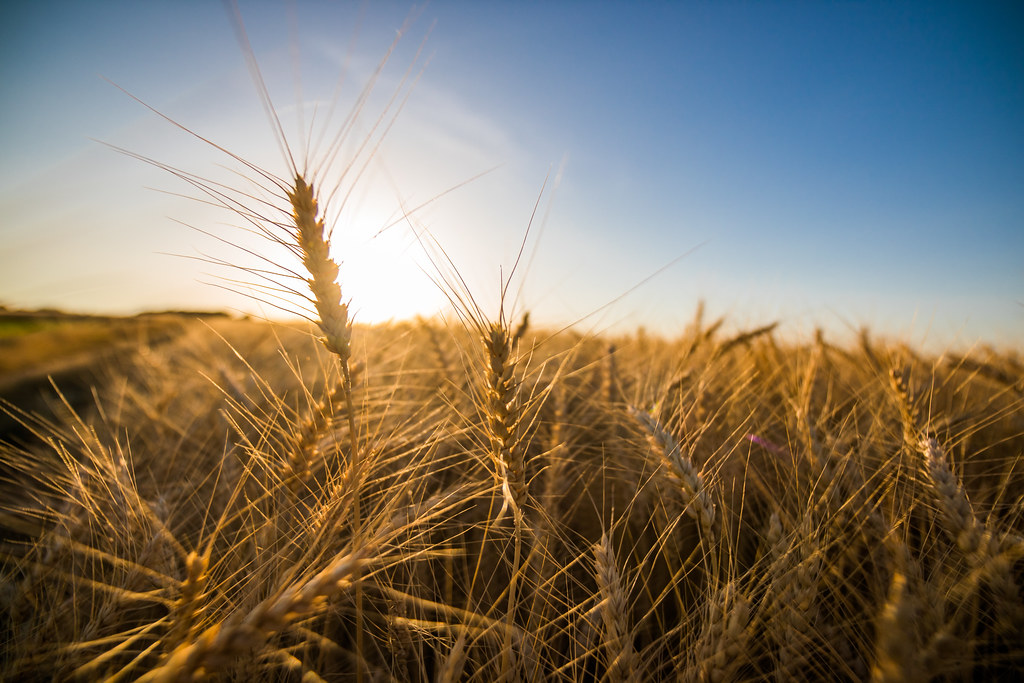
        Golden wheat before the harvest with the setting sun in the background” by Ivan Radic is licensed under CC BY 2.0.

        Warrior and Protector
        Lugh is also celebrated as a fierce warrior and a protector of his people. He played a crucial role in the Second Battle of Mag Tuired, where the Tuatha Dé Danann fought against the oppressive Fomorians. Lugh’s leadership and combat skills were instrumental in securing victory for his people, highlighting his role as a defender of justice and freedom.

        Patron of Arts and Crafts
        The Celts are very creative and poetic people and so Lugh’s association with arts and crafts makes him a patron of creativity and innovation. His festival, Lughnasadh, reflects this through the emphasis on games, crafts, and competitions. Lugh inspires individuals to strive for excellence and to take pride in their achievements, fostering a culture of creativity and continuous improvement. Sigh, isn’t he dreamy?

          Modern Laghnasadh Interpretation and Celebration

          While the ancient Celts had specific customs and rituals for Lughnasadh, modern practitioners of Celtic spirituality and Neo-Paganism (Hiya Friends!) have adapted these traditions to fit contemporary lifestyles. Here are some ways to celebrate Lughnasadh today, drawing on the spirit of the ancient festival but as always, take what works and make your practice yoru own (Respectfully of course):

          Host a Harvest Feast
          Gather friends and family for a meal that celebrates the first fruits of the harvest. Include dishes made from seasonal produce and freshly baked bread. Sharing food and stories can recreate the communal atmosphere of ancient Lughnasadh feasts. If there is one thing I can say about my celtic friends and family is that we don’t any excuse to have a wee shin dig so by all means have a mini feast every week if you want!

            Women’s interpretive dance class” by uwdigitalcollections is licensed under CC BY 2.0.

            Engage in Creative Activities
            Honor Lugh by engaging in a creative project, whether it’s crafting, writing, painting, or playing music. Showcase your skills and appreciate the talents of others in your community. Yes, social media and blog posts can be classed as creative exploits…this is a digita coven after all, would I say anything different?

              Participate in Athletic Games
              Organise or participate in athletic competitions or outdoor activities. Whether it’s a friendly race, a game of skill, or a hike, physical activity can connect you to the spirit of Lughnasadh and the energy of Lugh. I personally just go for a walk, as I don’t think I’ve ran since 2017 and I am fine with that. If you don’t or can’t do any athletic actvities why not watch the olympics this year or go and watch people play sports (again, respectfully…)

                Offerings and Rituals
                Create an altar with symbols of the harvest, such as grains, fruits, and flowers. Light candles and make offerings to Lugh and the earth. Express gratitude for the abundance in your life and set intentions for the coming season. I like to meditate as I light my candle at my alter, of course, make sure everything is fire safe yadda yadda…

                  Connect with Nature
                  Spend time outdoors, whether in a forest, a park, or your garden. Reflect on the cycles of nature and your place within them. Meditate, journal, or simply sit quietly to absorb the beauty and energy of the natural world.

                  And remember, Live, Laugh, Lugh!

                  Like this article? Why not sign up to our newsletter and or social channels? We love to hear from you! 

                  @Bunnypudding (Tiktok) / @Bunnyscopes (Instagram)

                  Ems xX

                  References

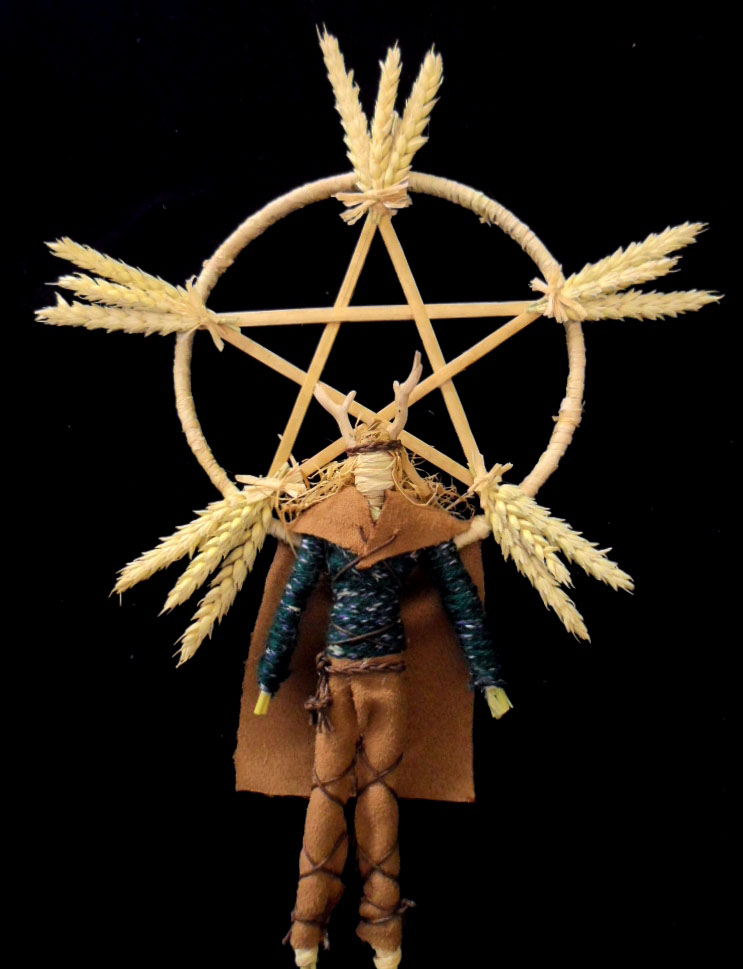
                  Profile Image: “File:Contemporary male Corn dolly.jpg” by Mountainash333 is licensed under CC BY-SA 3.0.

                  Hutton, Ronald. The Pagan Religions of the Ancient British Isles: Their Nature and Legacy. Wiley-Blackwell, 1993.

                  MacNeill, Máire. The Festival of Lughnasa: A Study of the Survival of the Celtic Festival of the Beginning of Harvest. Oxford University Press, 1962.
                  Freeman, Philip. Warriors and Druids: The Sacred World of the Celts. Pegasus Books, 2006.

                  Green, Miranda. Celtic Myths. University of Texas Press, 1995.

                  Ellis, Peter Berresford. The Mammoth Book of Celtic Myths and Legends. Running Press, 2002.

                  https://www.worldhistory.org/Lugh/

                  https://en.wikipedia.org/wiki/Lugh