
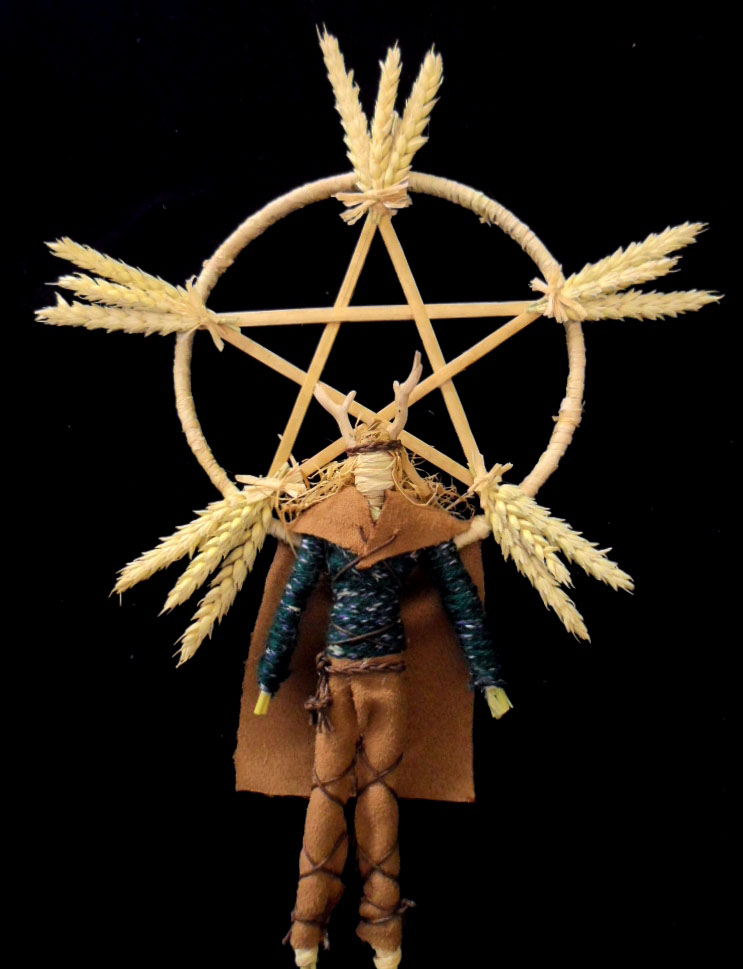
Three times a charm today Coven! As a bit of a teaser for a project that I am working on, here is a little explainer into the Celtic God Lugh and Lughnasadh, any questions or queries please let me know…but let’s dive in shall we?
Lughnasadh holds a significant place in the Celtic tradition as one of the four major fire festivals, along with Imbolc, Beltane, and Samhain. Celebrated on August 1st, Lughnasadh marks the beginning of the harvest season and is named after the god Lugh, a prominent figure in Celtic mythology.
The Celtic Celebration of Lughnasadh
The ancient Celts had a deep connection to the cycles of nature, and their festivals reflected the agricultural rhythms of their lives. Lughnasadh was no exception and was celebrated with a variety of customs that honored the harvest, fostered community ties, and paid homage to Lugh.
Feasting and Games
Lughnasadh was a time of communal feasting, where people gathered to share the bounty of the first harvest. These feasts included freshly baked bread, seasonal fruits, and other agricultural products. Sharing food was a way to strengthen community bonds and express gratitude for the earth’s abundance.
Athletic games and competitions were also a central feature of Lughnasadh celebrations. These games, often held in honor of Lugh, included feats of strength, speed, and skill. Horse races, wrestling matches, and various other contests showcased the talents and vitality of the community. These activities were not only a form of entertainment but also a way to honor the physical prowess and competitive spirit that Lugh represented.
Crafts and Handiwork
Craftsmanship was another important aspect of Lughnasadh. People would display their handiwork, including weaving, metalwork, and other crafts. This emphasis on skill and creativity was a tribute to Lugh, who was renowned for his multifaceted talents. Competitions and exhibitions of crafts were common, allowing individuals to showcase their abilities and receive recognition from their peers.
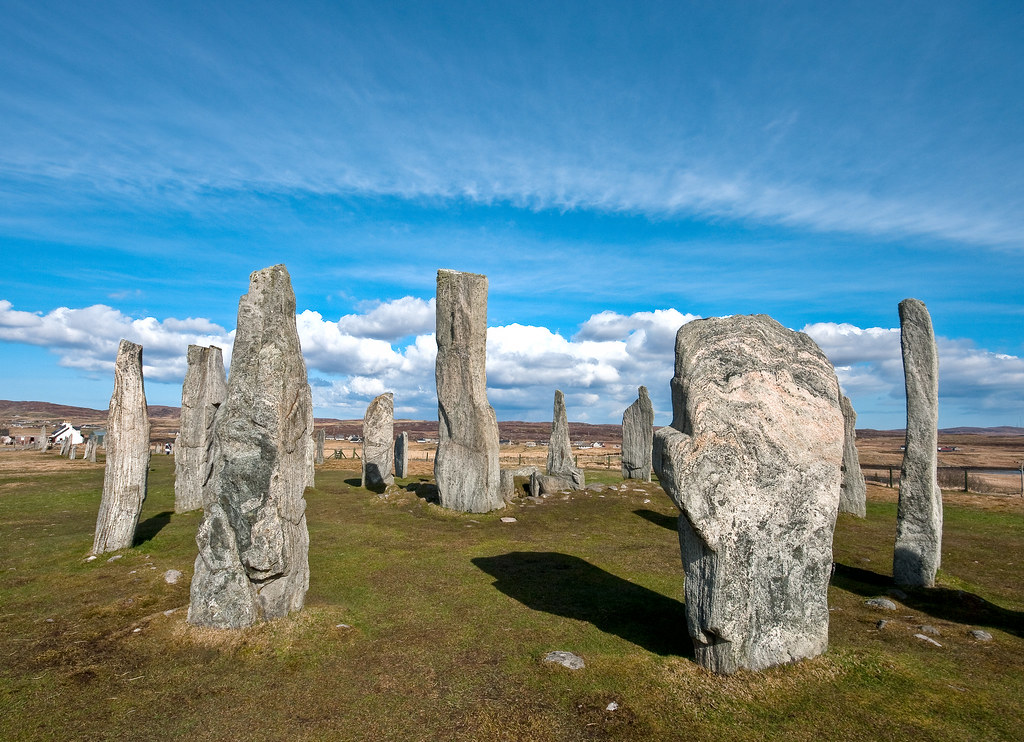
“Callanish Stone Circle” by Travels with a dog and a Camera 🙂 is licensed under CC BY 2.0.
Religious Ceremonies and Offerings
Religious rituals were integral to the celebration of Lughnasadh. These ceremonies often took place at sacred sites such as hilltops, stone circles, and other natural landmarks. Offerings of the first fruits of the harvest, particularly grain, were made to the gods to ensure continued fertility and abundance. These offerings might include loaves of bread, freshly harvested grains, and other symbolic items.
Bonfires were also lit during Lughnasadh, serving as a focal point for communal gatherings and rituals. Fire, a symbol of purification and transformation, played a crucial role in Celtic festivals. People might dance around the bonfires, leap over the flames for luck, and use the fire’s energy to bless their homes and fields.
Cultural and Social Activities
Lughnasadh was not only a religious and agricultural festival but also a cultural and social event. Storytelling, music, and dance were integral parts of the celebrations. Bards and poets would recite tales of heroes, gods, and the land, reinforcing the cultural heritage and values of the community. Music and dance brought people together, fostering a sense of unity and joy. Any excuse for a party, eh? Anyway whilst y’all here *Pulls out my poetry notes and clears throat* There was once a woman from Stoke, who got something caught…
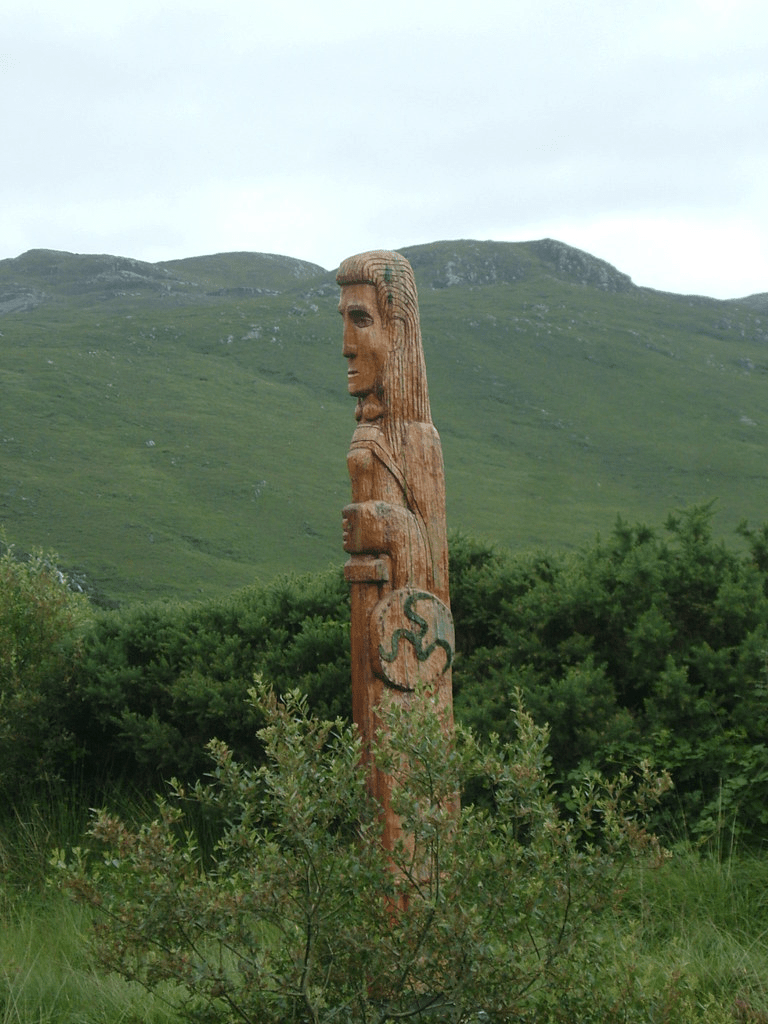
“Lúgh Láimh Fada == Lu of the Long Hands” by Liamfm . is licensed under CC BY-SA 2.0.
Lugh: The Multifaceted Celtic God
Lugh, pronounced “Loo-g” and in is one of the most revered deities in Celtic mythology. Known by various epithets such as Lugh Lámhfhada (Lugh of the Long Arm) and Samildánach (Skilled in All Arts), Lugh’s character and deeds are central to the themes of Lughnasadh.
Origins and Mythology
Lugh is a member of the Tuatha Dé Danann, a race of supernatural beings in Irish mythology. His parentage is a mix of the divine and the mortal (Dude, same!) as he is the son of the god Cian and the Fomorian princess Ethniu. This union symbolises the bridging of different worlds and the integration of diverse qualities within Lugh.
One of the most famous myths involving Lugh is his entry into the court of King Nuada at Tara. According to the story, Lugh approached the gates of Tara seeking entry, but the doorkeeper refused him, stating that only those with a special skill were allowed in. Lugh then listed his numerous skills, including warrior, poet, harpist, blacksmith, and physician, among others. When the doorkeeper was unable to find anyone who possessed all these skills, Lugh was admitted and became a prominent figure at Tara. Safe to say, I am taking the vibes of Lugh with me next time I try to get into a west London Club (I am joking, I’d rather eat my own head then go to West London club but you get what I mean)
Attributes and Symbolism
Lugh is often associated with the sun and light, embodying the qualities of illumination, clarity, and inspiration. His long arm signifies his far-reaching influence and his ability to extend his power and protection over his followers.
As a god of many talents, Lugh represents excellence and mastery in various fields. This aspect of his character encourages individuals to develop their skills and talents to their fullest potential. Lugh’s multifaceted nature also symbolises versatility and adaptability, important traits for survival and success in both personal and communal life.
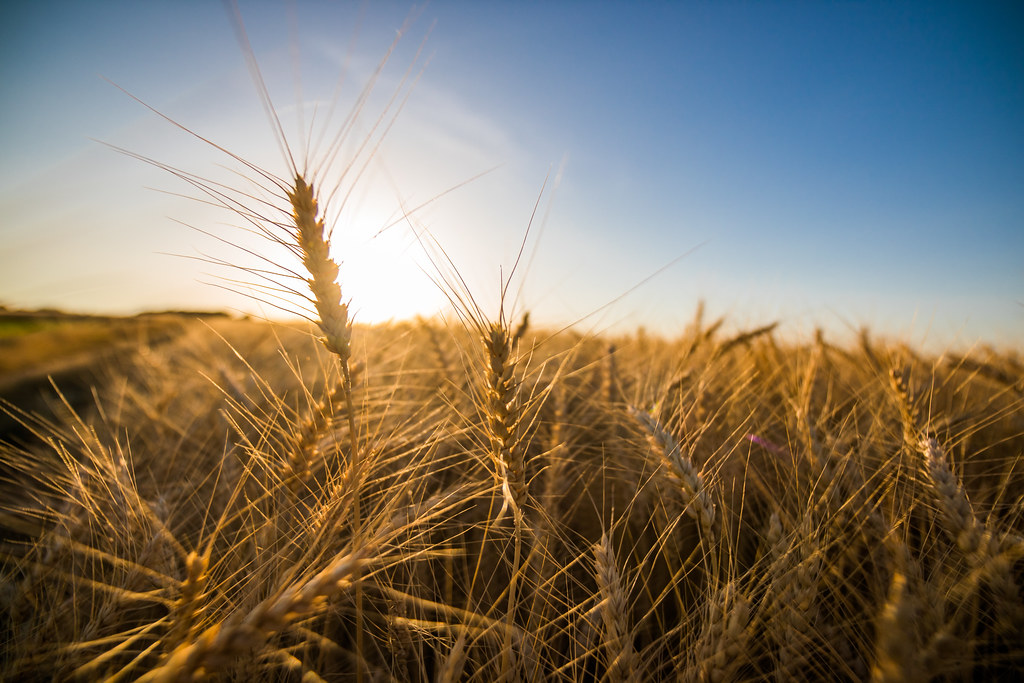
“Golden wheat before the harvest with the setting sun in the background” by Ivan Radic is licensed under CC BY 2.0.
Warrior and Protector
Lugh is also celebrated as a fierce warrior and a protector of his people. He played a crucial role in the Second Battle of Mag Tuired, where the Tuatha Dé Danann fought against the oppressive Fomorians. Lugh’s leadership and combat skills were instrumental in securing victory for his people, highlighting his role as a defender of justice and freedom.
Patron of Arts and Crafts
The Celts are very creative and poetic people and so Lugh’s association with arts and crafts makes him a patron of creativity and innovation. His festival, Lughnasadh, reflects this through the emphasis on games, crafts, and competitions. Lugh inspires individuals to strive for excellence and to take pride in their achievements, fostering a culture of creativity and continuous improvement. Sigh, isn’t he dreamy?
Modern Laghnasadh Interpretation and Celebration
While the ancient Celts had specific customs and rituals for Lughnasadh, modern practitioners of Celtic spirituality and Neo-Paganism (Hiya Friends!) have adapted these traditions to fit contemporary lifestyles. Here are some ways to celebrate Lughnasadh today, drawing on the spirit of the ancient festival but as always, take what works and make your practice yoru own (Respectfully of course):
Host a Harvest Feast
Gather friends and family for a meal that celebrates the first fruits of the harvest. Include dishes made from seasonal produce and freshly baked bread. Sharing food and stories can recreate the communal atmosphere of ancient Lughnasadh feasts. If there is one thing I can say about my celtic friends and family is that we don’t any excuse to have a wee shin dig so by all means have a mini feast every week if you want!
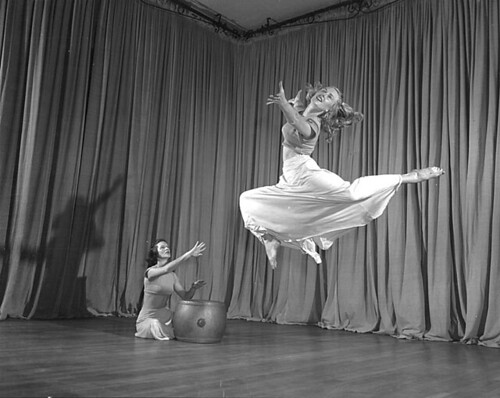
“Women’s interpretive dance class” by uwdigitalcollections is licensed under CC BY 2.0.
Engage in Creative Activities
Honor Lugh by engaging in a creative project, whether it’s crafting, writing, painting, or playing music. Showcase your skills and appreciate the talents of others in your community. Yes, social media and blog posts can be classed as creative exploits…this is a digita coven after all, would I say anything different?
Participate in Athletic Games
Organise or participate in athletic competitions or outdoor activities. Whether it’s a friendly race, a game of skill, or a hike, physical activity can connect you to the spirit of Lughnasadh and the energy of Lugh. I personally just go for a walk, as I don’t think I’ve ran since 2017 and I am fine with that. If you don’t or can’t do any athletic actvities why not watch the olympics this year or go and watch people play sports (again, respectfully…)
Offerings and Rituals
Create an altar with symbols of the harvest, such as grains, fruits, and flowers. Light candles and make offerings to Lugh and the earth. Express gratitude for the abundance in your life and set intentions for the coming season. I like to meditate as I light my candle at my alter, of course, make sure everything is fire safe yadda yadda…
Connect with Nature
Spend time outdoors, whether in a forest, a park, or your garden. Reflect on the cycles of nature and your place within them. Meditate, journal, or simply sit quietly to absorb the beauty and energy of the natural world.
And remember, Live, Laugh, Lugh!
Like this article? Why not sign up to our newsletter and or social channels? We love to hear from you!
@Bunnypudding (Tiktok) / @Bunnyscopes (Instagram)
Ems xX
References
Profile Image: “File:Contemporary male Corn dolly.jpg” by Mountainash333 is licensed under CC BY-SA 3.0.
Hutton, Ronald. The Pagan Religions of the Ancient British Isles: Their Nature and Legacy. Wiley-Blackwell, 1993.
MacNeill, Máire. The Festival of Lughnasa: A Study of the Survival of the Celtic Festival of the Beginning of Harvest. Oxford University Press, 1962.
Freeman, Philip. Warriors and Druids: The Sacred World of the Celts. Pegasus Books, 2006.
Green, Miranda. Celtic Myths. University of Texas Press, 1995.
Ellis, Peter Berresford. The Mammoth Book of Celtic Myths and Legends. Running Press, 2002.
https://www.worldhistory.org/Lugh/
https://en.wikipedia.org/wiki/Lugh
 Digital Coven