The History and Celebration of Lughnasadh and Lammas : Embracing the First Harvest Festival

Today is the first harvest festival of the year. Today we delve into the the History and Celebration of Lughnasadh and Lammas.

It’s August 1st darlings, which can mean only one thing – It’s time to Celebrate Lughnasadh! Who doesn’t like giving thanks and having a wee party, eh? Lughnasadh, also known Lammas in some areas of the UK, is a significant festival in the Wheel of the Year, marking the beginning of the Harvest season. Celebrated on August 1st, Lughnasadh is a time to give thanks for the first fruits of the earth and to honor the Celtic god Lugh. This ancient festival, rich in history and tradition, is a vibrant blend of pagan, Christian, and agricultural elements – Who doesn’t love a bit of diversity at a party, am I right?

The Historical Roots of Lammas

Pagan Origins

The term “Lammas” is derived from the Old English/ Anglo Saxon word “hlafmaesse,” meaning “loaf mass.” It was traditionally the time when the first grain harvest was celebrated, and loaves of bread were baked from the new wheat crop. These loaves were then used in rituals and as offerings. Who doesn’t love an excuse to eat cards, eh? 

Lammas corresponds with the Celtic festival of Lughnasadh, named after the god Lugh. Lugh was a god of light, skill, and craftsmanship, celebrated in many myths for his talents and leadership. Lughnasadh was a time for feasting, games, and community gatherings, reflecting the communal effort required for the harvest. Check out my other posts on Lughnasadh and Lammas – What’s the Difference?  And my post The Celtic Celebration of Lammas and the God Lugh for more info on these. (I know, I know, it’s an actual harvest of content today, isn’t it? You’re most welcome, coven) 

How It Inspired The Christian Tradition 

With the advent of Christianity, Lammas and Lughnasadh became ‘integrated’ into the Christian calendar. It evolved into a thanksgiving for the first fruits, and loaves of bread were blessed in churches. This blending of traditions illustrates the adaptability of early Christian practices to local customs and agricultural cycles. 
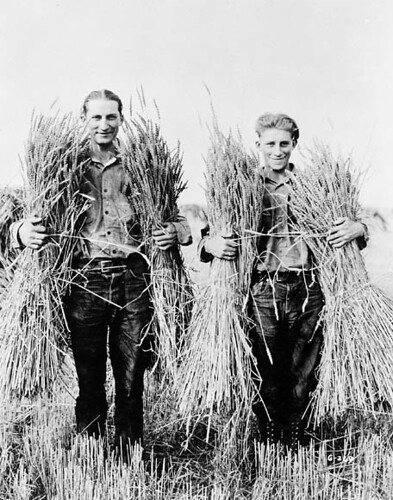
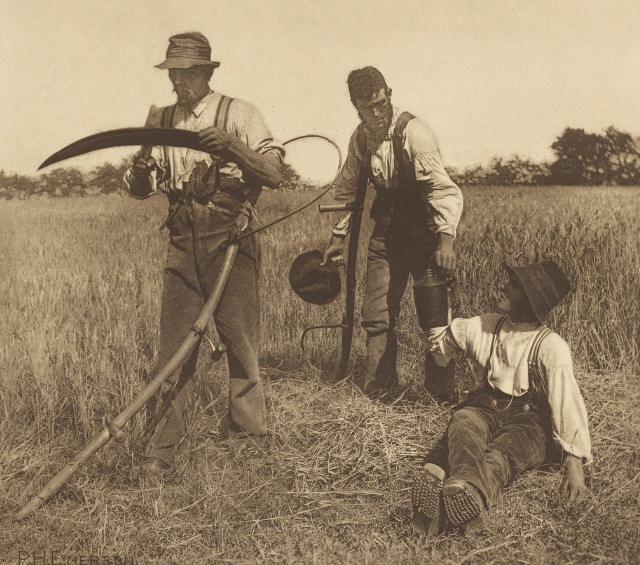
Two men from the British Isles harvest wheat / Deux hommes des îles Britanniques récoltent du blé” by BiblioArchives / LibraryArchives is licensed under CC BY 2.0.

Agricultural Significance

Lughnasadh / Lammas is deeply rooted in agricultural traditions. It marks the time when the hard work of planting and tending crops begins to bear fruit. The first grains of the year are harvested, a crucial milestone for agrarian societies. This celebration of abundance is also a reminder of the need for continued hard work to ensure a bountiful harvest in the coming months.

Celebrating Lughnasadh and Lammas Today

Modern celebrations of Lughnasadh / Lammas can vary widely, reflecting its diverse origins and the personal beliefs of those who observe it. Here are some common ways to celebrate this festival, both traditionally and in contemporary settings.

Rituals and Practices

  1. Bread Baking and Offering
    Baking bread is one of the most traditional ways to celebrate Lammas. The act of baking symbolizes transformation and the cycle of life, as the harvested grain is turned into sustenance. Here is a simple ritual to try:


Materials Needed:

  • Flour, yeast, water, salt, and any other bread ingredients you prefer.
  • A loaf pan or baking sheet.
  • Candles for your altar.
  1. Instructions:
  • Set up a small altar with candles, representing the light and warmth of the harvest.
  • As you mix the ingredients, focus on your intentions for the bread. Consider what you are grateful for and what you wish to manifest.
  • While kneading the dough, chant or sing to imbue the bread with positive energy.
  • Once baked, place the bread on the altar and offer thanks to the earth for its bounty. You can share the bread with loved ones or use it in further rituals.
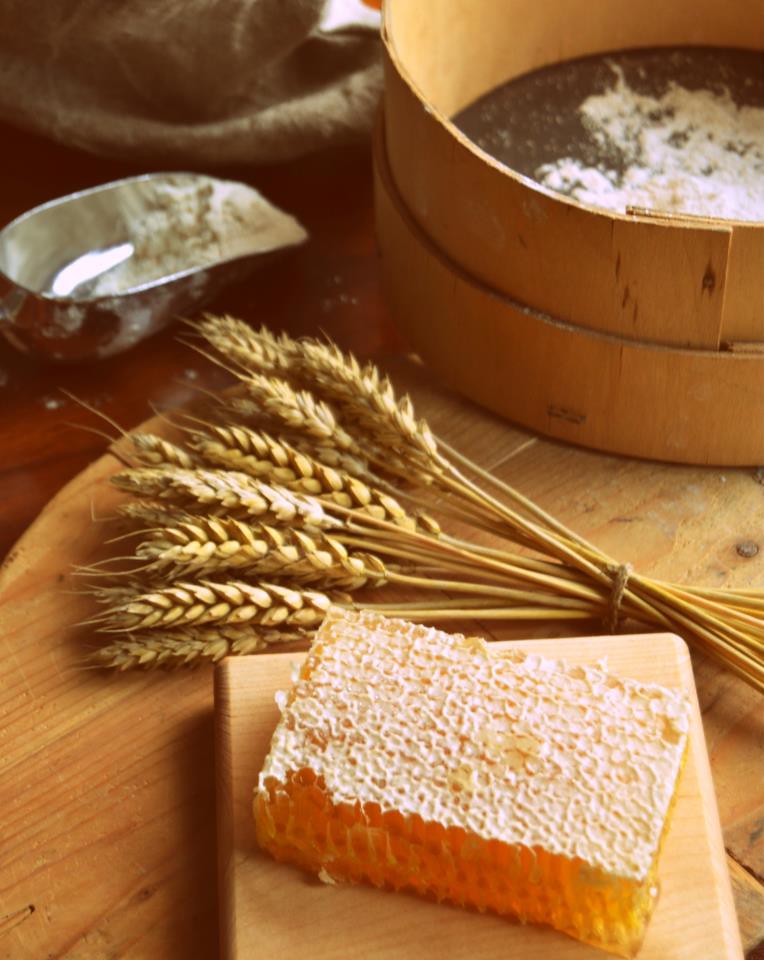
Harvest Moon” by Turku Gingerbread is licensed under CC BY 2.0.

  1. Harvest Feast
    Hosting a feast with friends and family is a joyous way to celebrate Lammas. Use seasonal fruits, vegetables, and grains to create a meal that honors the first harvest. Decorate your space with sheaves of wheat, sunflowers, and other symbols of abundance.
  1. Crafting Corn Dollies
    Corn dollies are traditional crafts made from the last sheaf of wheat harvested. These figures were believed to house the spirit of the grain and were kept until the next planting season to ensure a good crop. To make a corn dolly:
    Materials Needed:
  • Dried wheat stalks or corn husks.
  • String or ribbon.
  1. Instructions:
  • Soak the wheat stalks or corn husks in water to make them pliable.
  • Braid or weave the stalks into a figure, tying them with string or ribbon to hold the shape.
  • Place the corn dolly on your altar or hang it in your home as a symbol of prosperity and protection.

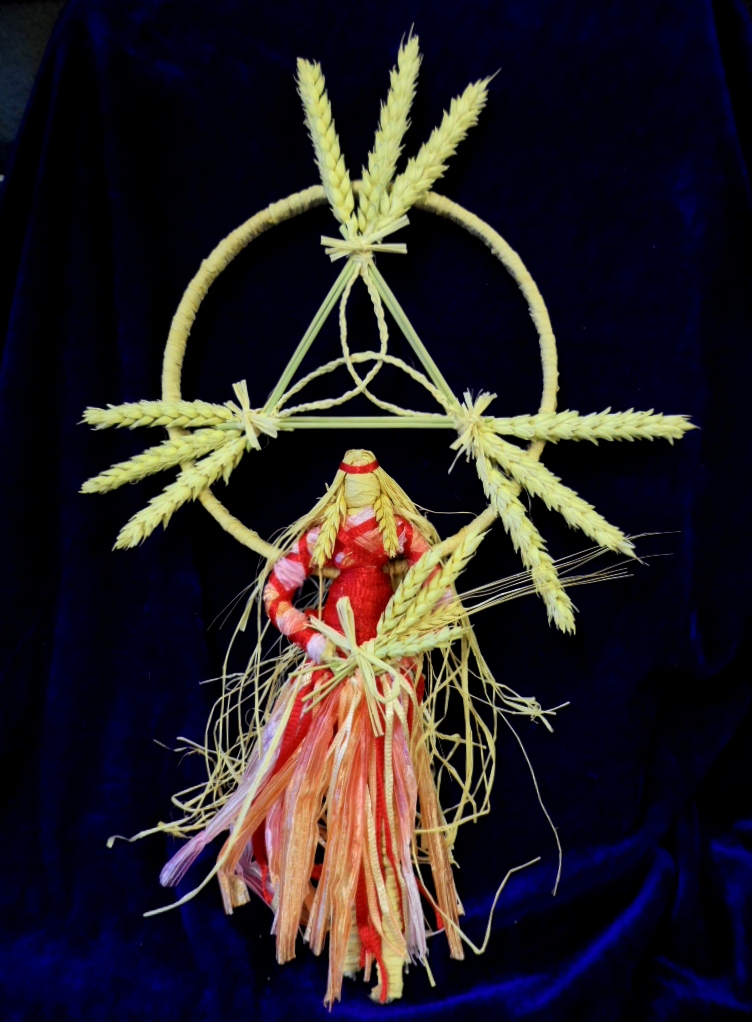
File:Contemporary male Corn dolly.jpg” by Mountainash333 is licensed under CC BY-SA 3.0.

I also like to make ‘Dollies’ out of flowers and grass, especially when I sat in a field doing my thanksgiving. Above is a very fancy Male Corn Dolly representing ‘The Harvest Father’ 

  1. Offering to the Land
    Making offerings to the land is a way to give thanks and honor the earth. You can offer a portion of your harvested fruits, vegetables, or baked goods to the land. Simply find a special place in nature and leave your offering with a prayer of gratitude.
  1. Reflection and Gratitude Ritual
    Lammas is a time for reflection and gratitude. Set aside time to meditate on the past year’s growth and challenges. Write down what you are thankful for and what you hope to achieve in the coming months. Burn the paper as an offering, symbolizing the release of your intentions into the universe.
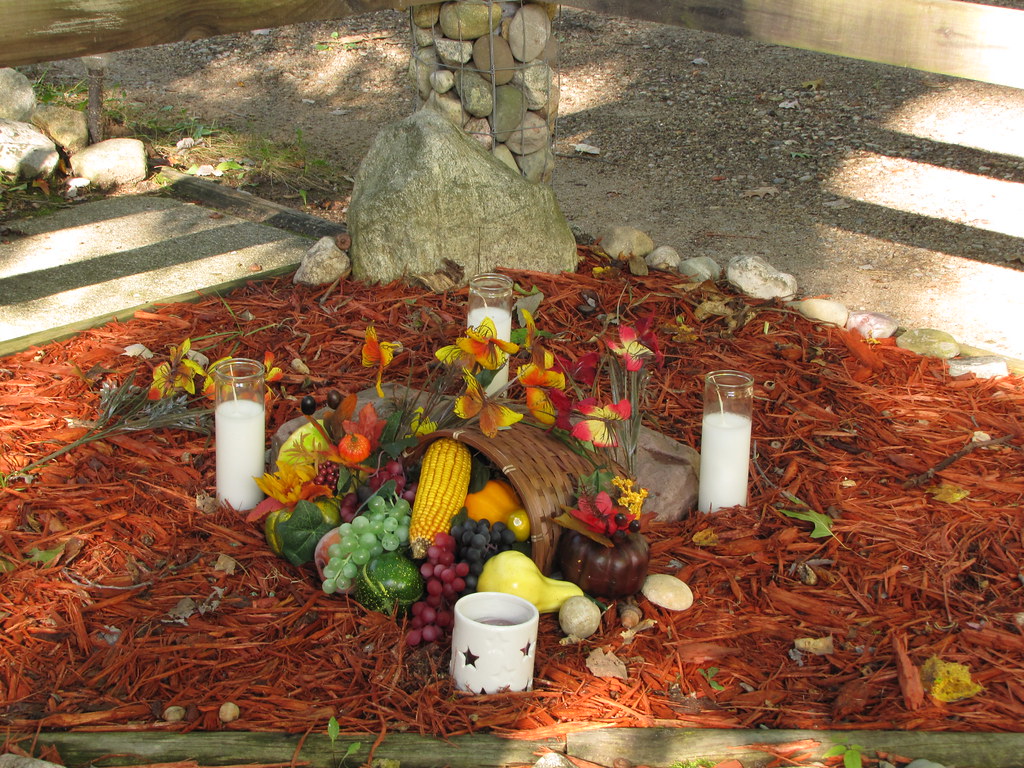
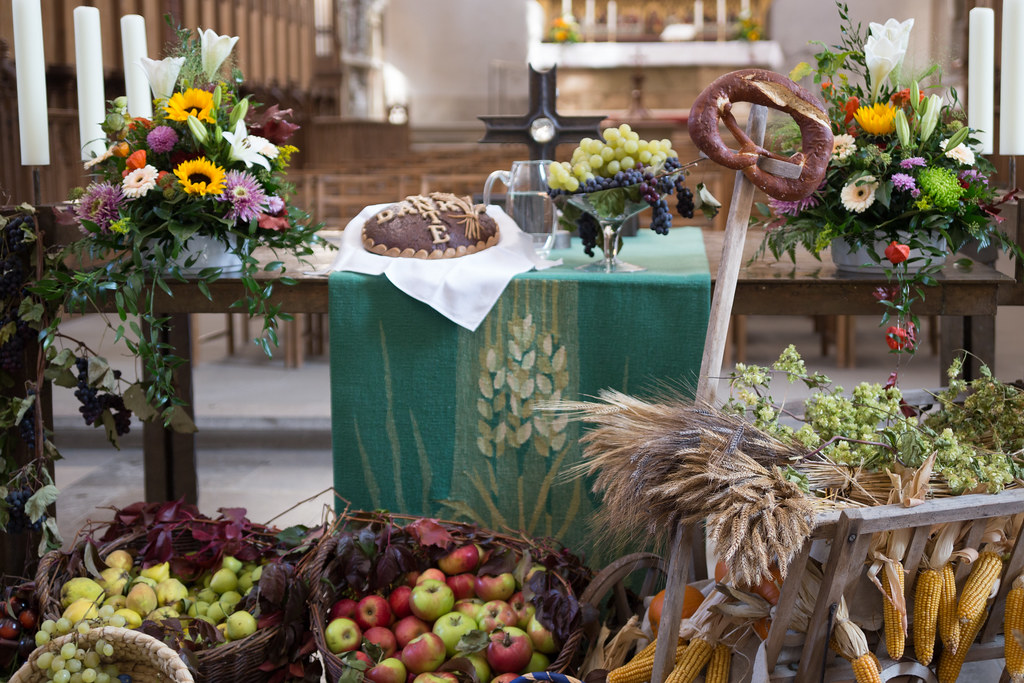
Mabon Altar 2012” by Pearl Photo is marked with Public Domain Mark 1.0.

Incorporating Lughnasadh / Lammas into Modern Life

While the traditional practices of Lammas are deeply rooted in agrarian life, they can be adapted to suit modern lifestyles. Here are some ideas for incorporating Lammas into your life, regardless of your living situation:

  1. Urban Celebrations
    Even if you live in an urban environment, you can celebrate Lammas by visiting a local farmers’ market and purchasing seasonal produce. Support local agriculture by buying fresh fruits, vegetables, and bread. As a London Dweller myself, I always try to find some green space (believe it or not there is some in London!) and take some time to sit and pay gratitude, and if able do a few wee rituals. Also, growing herbs and other things in window boxes and on balconeys is another great way to get your green witchcraft hat on!
  1. Gardening and Planting
    If you have a garden, use Lammas as a time to tend to your plants and reflect on the cycle of growth. Planting herbs or flowers that thrive in late summer can be a symbolic act of honoring the earth. If you are low energy, then just sitting in your garden or green space having a coffee can be just as sacred.
  1. Community Involvement
    Lammas is about community and sharing. Volunteer at a local food bank or community garden to give back to your community. Sharing your time and resources is a modern way to embody the spirit of the first harvest. I also like to go and feed the local crows in my park, and pick up any rubbish as I do so. Little things we do can have a huge impact.
  1. Creative Expressions
    Engage in creative activities that celebrate the themes of Lammas. Paint, write poetry, or create music inspired by the season’s abundance and the myth of Lugh. Creative expression can be a powerful way to connect with the festival’s energy. I love to have a bit of a dance and sing song (rather badly I may add but it’s still bloody fun so why not?!)

Do you celebrate Lughnasadh or Lammas? If so let us know below or via our social channels as we love to hear from you and share our practices. 

Like this article? Why not sign up to our newsletter and or social channels? We love to hear from you! 

@Bunnypudding (Tiktok) / @Bunnyscopes (Instagram)

Ems xX
References

Profile Image: “File:A Contemporary Goddess of the corn . Corn Mother.JPG” by Rowan Duxbury is licensed under CC BY-SA 3.0

Hutton, Ronald. The Stations of the Sun: A History of the Ritual Year in Britain. Oxford University Press, 1996.

Pennick, Nigel. The Pagan Book of Days: A Guide to the Festivals, Traditions, and Sacred Days of the Year. Destiny Books, 1992.

Farrar, Janet and Stewart. Eight Sabbats for Witches. Robert Hale, 1981.

Grimm, Jacob. Teutonic Mythology. George Bell and Sons, 1883.

MacNeill, Máire. The Festival of Lughnasa: A Study of the Survival of the Celtic Festival of the Beginning of Harvest. Oxford University Press, 1962.
Lughnasadh and Lammas – What’s the Difference? A Very Concise History of the Celtic and Anglo Saxon Nations

We explain what the Celtic Nations are and what the difference between Lughnasadh and Lammas. Snazzy, eh?

Hello Coven, me again, what can I say, I am NEEDY for your love and most likely in the middle of a hyper fixation….You’re welcome! Anyhow, further to my earlier post on Lughnasadh and Lammas I wanted to share a post I wrote for an upcoming project I am working on (around Celtic Heritage….eiiii) about the variance between the two festivals. The British Isles has a fascinating history featuring a mix of cultures including Celtic, Anglo Saxon, Norse (Yip, they get around everywhere, bless ‘em),Norman and even blooming the fabulous cultures that the Roman army brought over, we certainly have a multi-cultural vibe going on. So I just wanted to add a bit more nuance to variance between the festivals historically. 

Firstly, what are the celtic nations? 

File:Map of Celtic Nations-flag shades.svg” by QuartierLatin1968 is licensed under CC BY-SA 3.0.

The Celtic Nations

The Celtic nations are regions in Western Europe where Celtic languages and cultural traditions have endured. There are six recognised Celtic nations:

  1. Ireland (Éire) [Green] Aka Emma’s Mother Land ❤
    • Language: Irish Gaelic (Gaeilge)
    • Highlights: Rich traditions in music, dance, and folklore. Historical sites like the Hill of Tara reflect its ancient Celtic roots.
  2. Scotland (Alba) [Blue] Aka Ajs Mother Land 
    • Language: Scottish Gaelic (Gàidhlig)
    • Highlights: Famous for wild haggis, bagpipes, kilts, and Highland games. The language is spoken in the Highlands and the Western Isles, with historical sites like the Callanish Stones. 
  3. Wales (Cymru) [Red] 
    • Language: Welsh (Cymraeg)
    • Highlights: Known for male voice choirs and the Eisteddfod festival. The beautiful Welsh language is NOW widely spoken and taught especially in the north and west but this is only recently but let’s talk about colonisation in another post…. 
  4. Brittany (Breizh) [Black] 
    • Language: Breton (Brezhoneg)
    • Highlights: Located in northwest France, it features traditional music and dance (fest-noz). The Breton language is spoken by a minority, with megalithic sites like Carnac.
  5. Cornwall (Kernow) [Yellow]
    • Language: Cornish (Kernewek)
    • Highlights: Situated in southwestern England, known for mining, fishing, and folklore. The language, like Welsh is experiencing a revival, with cultural sites like Tintagel Castle.
  6. Isle of Man (Mannin) [Mustard] 
    • Language: Manx Gaelic (Gaelg)
    • Highlights: The island has a unique Celtic and Norse heritage, with traditional music and the annual Tynwald Day ceremony. Manx Gaelic is being revived through education.

Other Regions with Celtic Influence

  • Galicia and Asturias (Spain): These regions have significant Celtic cultural elements, especially in music and dance.

And finally England [White]: 

Why England Isn’t a Celtic Nation (Explained Politely)

While certain regions of England, such as Cornwall, have Celtic roots, England as a whole is not considered a Celtic nation. This is due to the significant Anglo-Saxon and Norman influences that have shaped its cultural and linguistic identity, overshadowing the earlier Celtic heritage. The predominant language and cultural practices in England evolved separately from the distinct Celtic traditions maintained in the recognised Celtic nations.

Union of Nations Celtics

Combined flag of the Celtic nations” by BzhSamTheRipper is licensed under CC BY-SA 3.0.

Ok, phew – let’s get to the festival variances between the festival and a detailed comparison of the two:

Lughnasadh:

Origins and Etymology

  • Celtic Festival: Lughnasadh is rooted in ancient Celtic tradition. The name Lughnasadh (pronounced “Loo-nah-sah”) is derived from the god Lugh, a prominent deity in Celtic mythology, and “nasadh,” which means assembly.
  • Mythological Significance: Lughnasadh was established by Lugh to honor his foster mother, Tailtiu, who died from exhaustion after clearing the plains of Ireland for agriculture. It is a celebration of the harvest and a commemoration of Tailtiu’s sacrifice. Thanks Tailtiu!

Celebrations and Traditions

  • Feasting and Games: Central to Lughnasadh are communal feasts and athletic games, reflecting Lugh’s associations with skill and competition. These games included horse racing, wrestling, and various contests of strength and agility.
  • Religious Rituals: Offerings of the first fruits of the harvest were made to the gods, particularly to Lugh, to ensure continued fertility and abundance. Rituals often took place at sacred sites such as hilltops and stone circles.
  • Craftsmanship: As Lugh was a god of many talents, craftsmanship and artistic skills were celebrated. Exhibitions and competitions in various crafts were held, showcasing the community’s talents.
  • Fire Festivals: Bonfires were lit as part of the festivities, symbolising purification and the power of the sun. The Celts love a fire festival, and celebrate 4 year. Nice.

Cultural Context

  • Irish and Scottish Heritage: Lughnasadh is primarily celebrated in regions with strong Celtic heritage, such as Ireland and Scotland. It has deep roots in the agricultural calendar and the Celtic mythology of these areas.

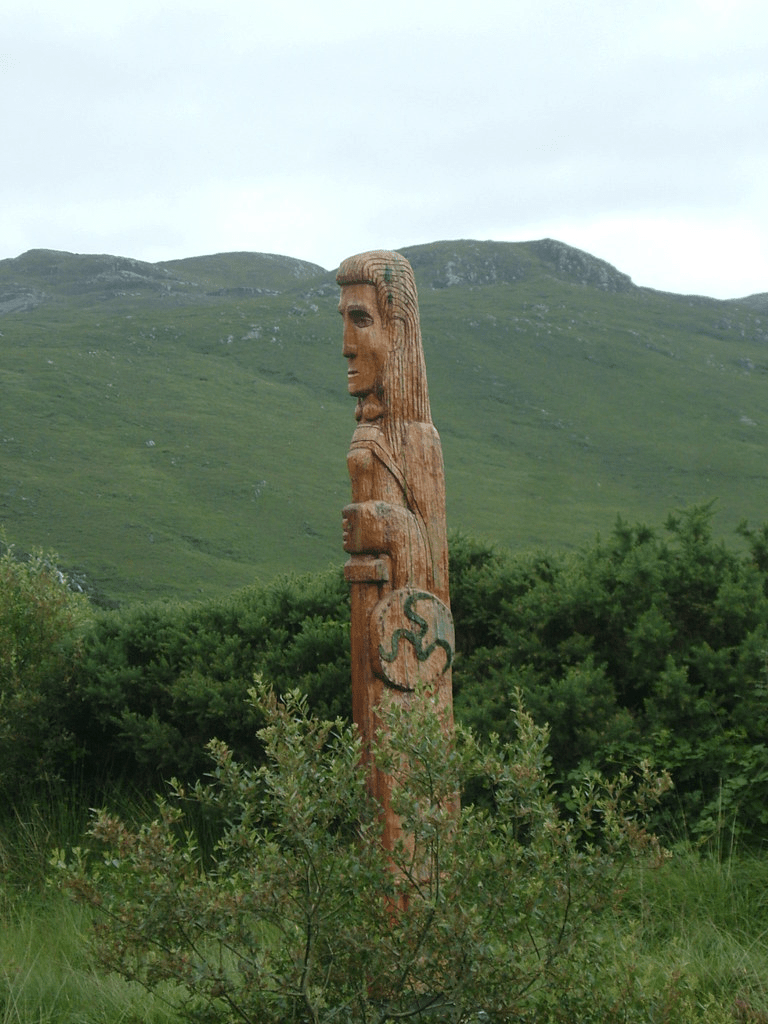
Lúgh Láimh Fada == Lu of the Long Hands” by Liamfm . is licensed under CC BY-SA 2.0.

Lammas

Origins and Etymology

  • Anglo-Saxon Festival: Lammas, from the Old English “hlafmaesse,” translates to “loaf mass.” It was a Christian festival that marked the blessing of the first loaf of bread made from the new wheat crop.
  • Christian Integration: As Christianity spread through the British Isles, Lammas became integrated into the Christian liturgical calendar. It was a time to give thanks to God for the first fruits of the harvest and to bless the bread made from the new grain.

332 Lammas Festival” by Trinity Trees is licensed under CC BY-SA 2.0.

Celebrations and Traditions

  • Blessing of Bread: The primary ritual of Lammas involved baking a loaf of bread from the first harvested grain and taking it to church to be blessed. This act symbolized gratitude for the harvest and the provision of daily bread.
  • Feasting and Community Gatherings: Similar to Lughnasadh, Lammas involved communal feasting and sharing of the harvest’s bounty. It was a time for communities to come together and celebrate the season’s abundance.
  • Agricultural Customs: In addition to the religious aspects, Lammas was also marked by various agricultural customs, such as the reaping of the first wheat and the preparation of fields for the next planting season.

Cultural Context

  • Medieval and Early Modern England: Lammas was widely celebrated in medieval and early modern England. It reflects the integration of pagan harvest festivals into the Christian tradition, demonstrating the adaptability and syncretism of religious practices during this period.

Comparison and Modern Celebrations

Common Themes

  • Harvest Celebration: Both Lughnasadh and Lammas celebrate the beginning of the harvest season, giving thanks for the first fruits and acknowledging the hard work of the agricultural cycle.
  • Community and Feasting: Communal meals and gatherings are central to both festivals, fostering a sense of community and shared gratitude.

Barley-Harvest. [Suffolk.] Peter Henry Emerson” by J. Paul Getty Museum is marked with CC0 1.0.

Differences in Focus

  • Deity vs. Christian Context: Lughnasadh is specifically tied to the Celtic god Lugh and his mythological significance, whereas Lammas is a Christianized festival focusing on the blessing of bread and the harvest.
  • Cultural Origins: Lughnasadh has its roots in Celtic traditions and is primarily associated with Ireland and Scotland. Lammas, on the other hand, is an Anglo-Saxon festival that became integrated into Christian practices in England.

Modern Celebrations

  • Neo-Pagan Practices: Many modern Neo-Pagans celebrate Lughnasadh by incorporating traditional Celtic rituals, such as crafting corn dollies, baking bread, and holding feasts and games. These practices honor the historical roots and the god Lugh.
  • Wiccan Sabbats: In Wiccan tradition, both Lughnasadh and Lammas are celebrated as one of the eight Sabbats in the Wheel of the Year. Wiccans might blend elements of both traditions, focusing on harvest themes, gratitude, and community.
  • Mordern Witches: Many witches follow the wheel of the year but don’t have associations with any deities and in some cases are antheist but include elements of the celebrations in their practices (Again, hello fwends!)
  • Contemporary Christian Observance: Some Christian communities continue to observe Lammas with the blessing of bread and thanksgiving services, maintaining the festival’s historical Christian elements.

Harvest Altar” by allynfolksjr is licensed under CC BY 2.0.

So there you have it! While Lughnasadh and Lammas share common themes of harvest and gratitude, they originate from distinct cultural and religious traditions. Lughnasadh is deeply rooted in Celtic mythology and the veneration of the god Lugh, while Lammas has its origins in Anglo-Saxon Christian practices centered around the blessing of the first bread. Both festivals, however, offer rich traditions and practices that celebrate the abundance of the earth and the importance of community.

Like this article? Why not sign up to our newsletter and or social channels? We love to hear from you! 

@Bunnypudding (Tiktok) / @Bunnyscopes (Instagram)

Ems xX

References

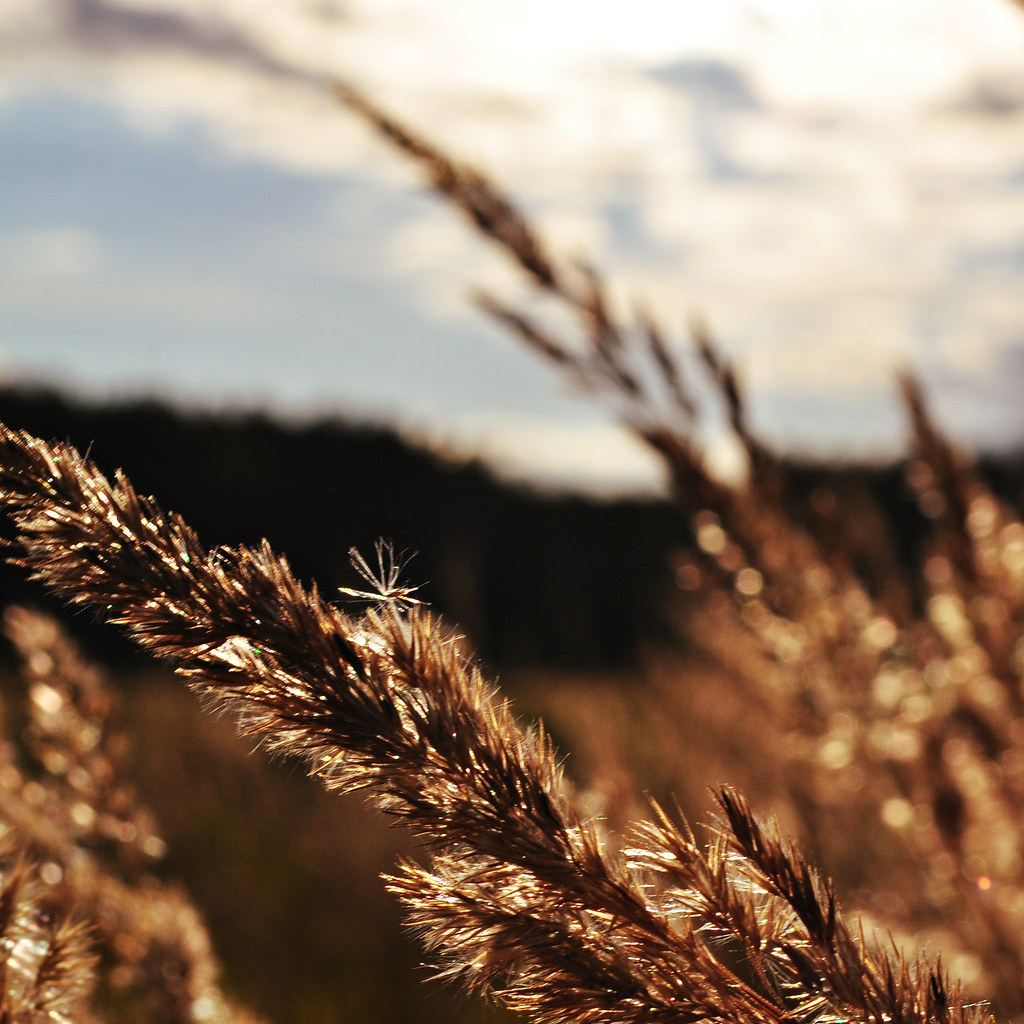
Featured image: “The grass bends, the oak breaks (harvest series)” by Rising Damp is licensed under CC BY 2.0.

Hutton, Ronald. The Stations of the Sun: A History of the Ritual Year in Britain. Oxford University Press, 1996.

Pennick, Nigel. The Pagan Book of Days: A Guide to the Festivals, Traditions, and Sacred Days of the Year. Destiny Books, 1992.

Farrar, Janet and Stewart. Eight Sabbats for Witches. Robert Hale, 1981.

Grimm, Jacob. Teutonic Mythology. George Bell and Sons, 1883.

MacNeill, Máire. The Festival of Lughnasa: A Study of the Survival of the Celtic Festival of the Beginning of Harvest. Oxford University Press, 1962.