A Witch’s Guide to Welcoming A Magickal October: Simple New Month Rituals

Magickal Rituals to help bring in a new month. Its October 1st – the countdown to Halloween has begun!

Its October 1st – We are now officially in Spooky Season and the countdown to Halloween has begun! As the calendar turns from September to October, there’s a palpable shift in the air. The light slants differently, the wind carries a new crispness, and the world begins to hum with a spooky, magickal energy. For witches and magickal folk, this isn’t just a date change; it’s a potent threshold. Pass us the Halloween decorations, we’re going in.

A new month is a blank page in your grimoire, a chance to set powerful intentions and align your energy with the themes of the season. This October, don’t just let the month happen to you. Conjure it with purpose.

Here is your simple guide to welcoming October with witchcraft, from a beloved prosperity ritual to other ways to set your magickal tone.

Cinnamon” by Kjokkenutstyr.net 

The Cinnamon Abundance Ritual: A Sweet Start to October

Perhaps the most popular and joyful new-month ritual sweeping through the witchy community is the act of blowing cinnamon into your home. This simple practice is a powerful piece of sympathetic magic, rooted in the intention of drawing abundance—in all its forms—across your threshold.

Why Cinnamon?
Cinnamon has been prized for centuries not just for its flavor, but for its potent magical properties. It’s associated with:

  • Prosperity & Abundance: Its warm, stimulating energy is believed to attract wealth and success.
  • Protection: The strong scent is said to create a protective barrier against negative influences.
  • Spiritual Power: It raises vibrational energy, making it perfect for amplifying your intentions and spiritual work.

How to Perform the Cinnamon Ritual:
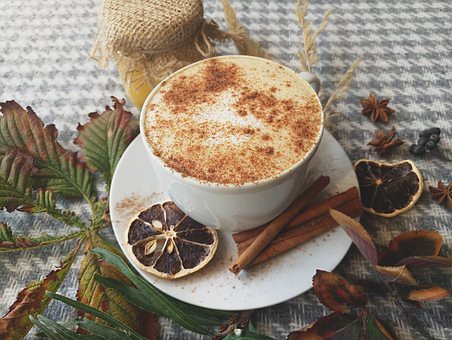
Cinnamon on coffee with autumn table decorations
  1. Gather Your Supplies: All you need is about a tablespoon of ground cinnamon. Ceylon cinnamon is ideal, but any cinnamon from your kitchen spice rack will work beautifully.
  2. Set Your Intention: Before you begin, hold the cinnamon in your hand. Close your eyes and focus on what “abundance” means for you this October. Is it financial prosperity? An abundance of joy, creativity, or peace? Be specific in your mind.
  3. Blow in the Blessings: Stand outside your open front door, facing inward. Place the cinnamon in the palm of your hand. Take a deep breath, focusing on your intention, and gently blow the cinnamon from your hand, across the threshold and into your home. As you do, you can say a simple affirmation aloud, such as:With this cinnamon, I blow in prosperity and joy. Welcome, October. My home is a magnet for abundance.
  4. Let it Settle: Do not sweep or vacuum the cinnamon for at least 24 hours. This allows the energy to settle and permeate your home, giving the magic time to work. After that, you can clean it normally, visualising any residual stagnant energy being swept away with it.
Woman walking through tress hol
ding leaves basking in the autumn sunshine

Autumn Sun” by be creator 

Beyond Cinnamon: Crafting Your October Energy

While the cinnamon ritual is a fantastic foundation, you can build a more personalised monthly practice around it. Here are a few other ways to welcome October’s unique magic.

Energetic Cleansing: Sweep Away the Old
Before you can fill a cup, it must be empty. Start your month by cleansing your physical and energetic space of any lingering September energy.

  • Open a Window: Even for just a minute. Let the stale air of the past month out and invite the crisp, new energy of October in. Shouting and commanding bad spirits out of the house is another fun way to get the house vibes up.
  • Smoke Cleansing: Pass a bundle of rosemary, cedar, or sage around your front door, windowsill, and yourself to clear stagnant energy. As you do, state, “I release all that no longer serves me. My space is clear and receptive.” or whatever intents feel right to you.
  • Sound Bath: Ring a bell, chime, or sing a note in each corner of your main rooms. Sound is a powerful vibratory tool for breaking up dense energy. Yes, banging a saucepan does actually count.
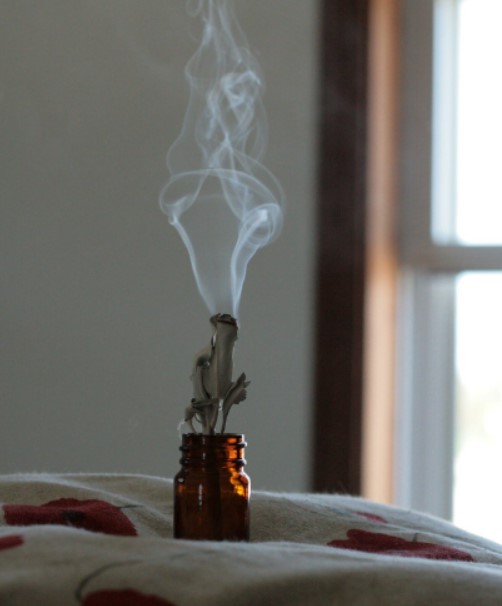
Smoke cleanse happening in a room with garden sage

2. Set the Tone: Candle Magic for Your Intentions
What do you want to manifest this October? A candle spell can set the tone.

  • Take a candle (a tea light or a small chime candle is perfect). Anoint it with a drop of olive or sunflower oil, moving from the wick outward to draw energy in, or from the base to the wick to release energy.
  • As you do, speak your intention for October. Is it protection for the spooky season? Introspection for your shadow work? Joy for the Halloween festivities? Press that intention into the wax.
  • Light the candle and let it burn safely while you meditate, write in your journal, or simply enjoy a moment of quiet. Visualize your month unfolding as you desire.
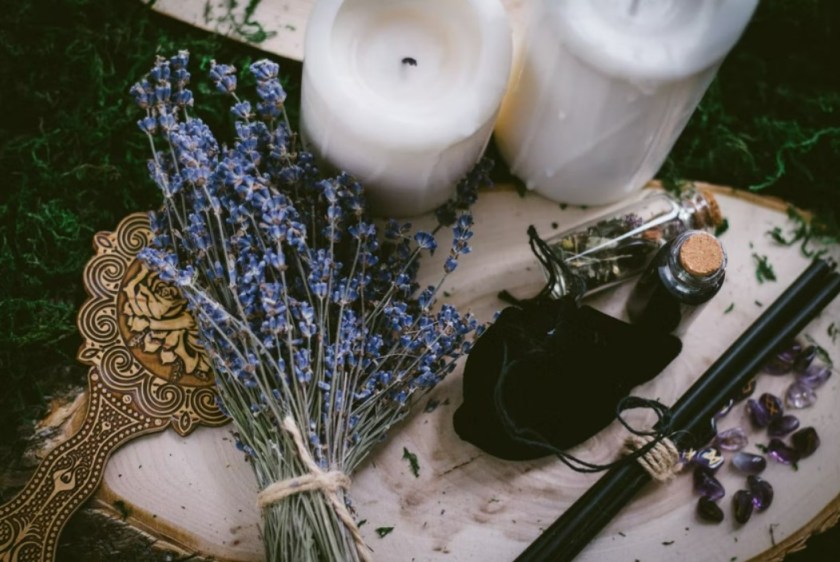
Candle magic with lavender and camomile

3. Divination for the Month Ahead: Consult the Cards
Ask your tarot or oracle deck for guidance. A simple three-card pull can offer profound insight:

  • Card 1: The Energy of September’s End. What are you carrying over?
  • Card 2: The Core Theme of October. What is the central lesson or focus?
  • Card 3: Advice for Navigating the Month. How can you best work with this energy?
    Journal the message and keep the cards on your altar or desk as a guide you can revisit all month long.
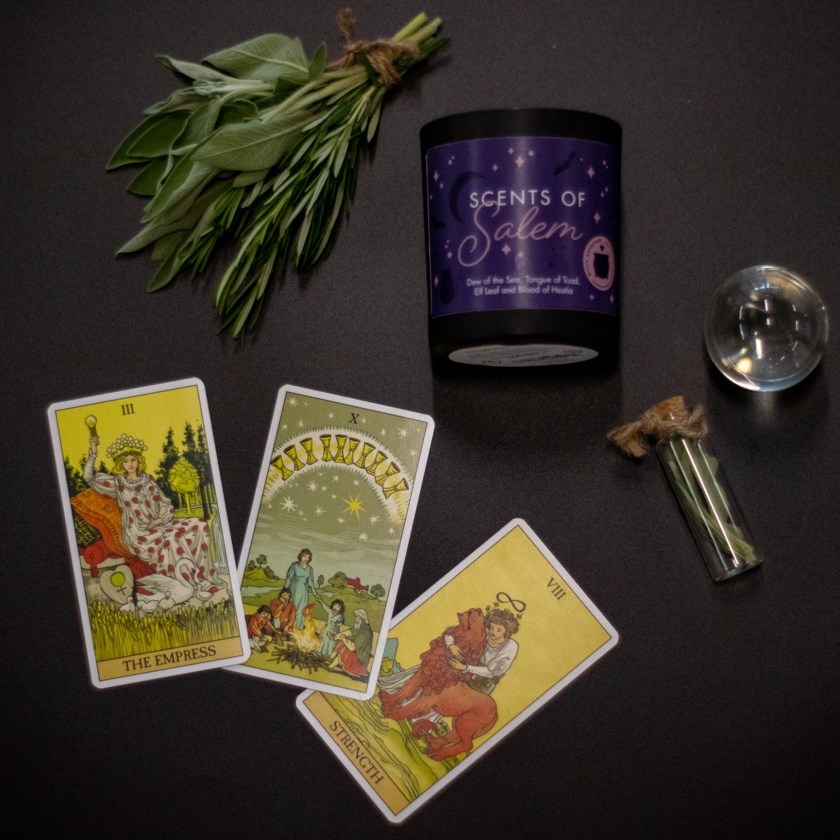
Scents of Salem candle with tarot cards and herbs

4. Create an October Grimoire Page
Dedicate a page in your Book of Shadows or journal to this powerful month.

  • Write the word “OCTOBER” in a beautiful script.
  • Note the astrological events (New Moon, Full Hunter’s Moon).
  • Circle Samhain on October 31st.
  • Jot down your cinnamon ritual intention, your tarot pull, and any goals or spells you want to work on.
    This act physically and magically dedicates space for the month’s magic, making you an active participant in its creation.
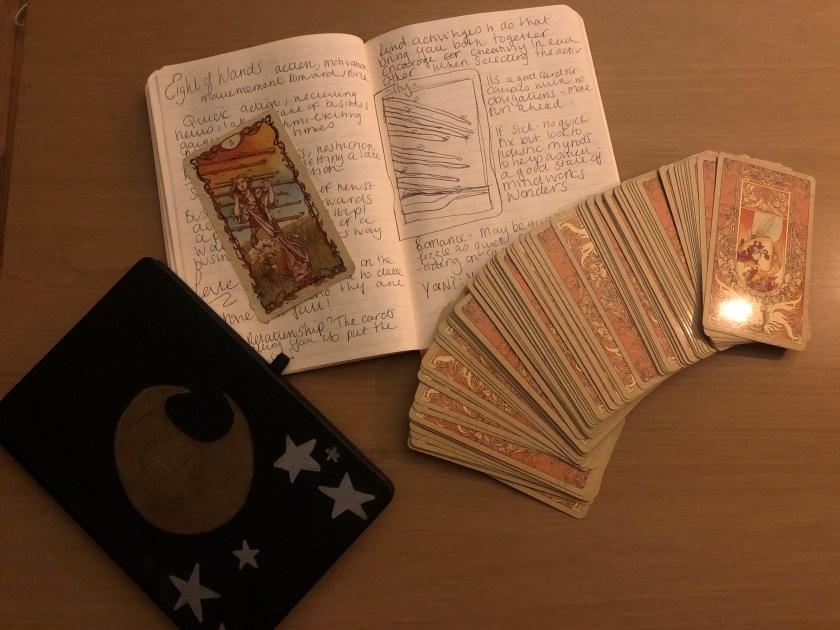
A witches grimore and tarot deck are open on a table

Weaving Your Monthly Tapestry

You don’t need to do all of these things. Even one small, focused act—like blowing cinnamon across your threshold—is enough to mark the transition with magic and purpose. By taking just 15-30 minutes for this practice, you move from passively watching the calendar turn to actively weaving the tapestry of your month.

How will you be welcoming October? Share your favorite new-month rituals in the comments below!

Want More Witchy Wonders?
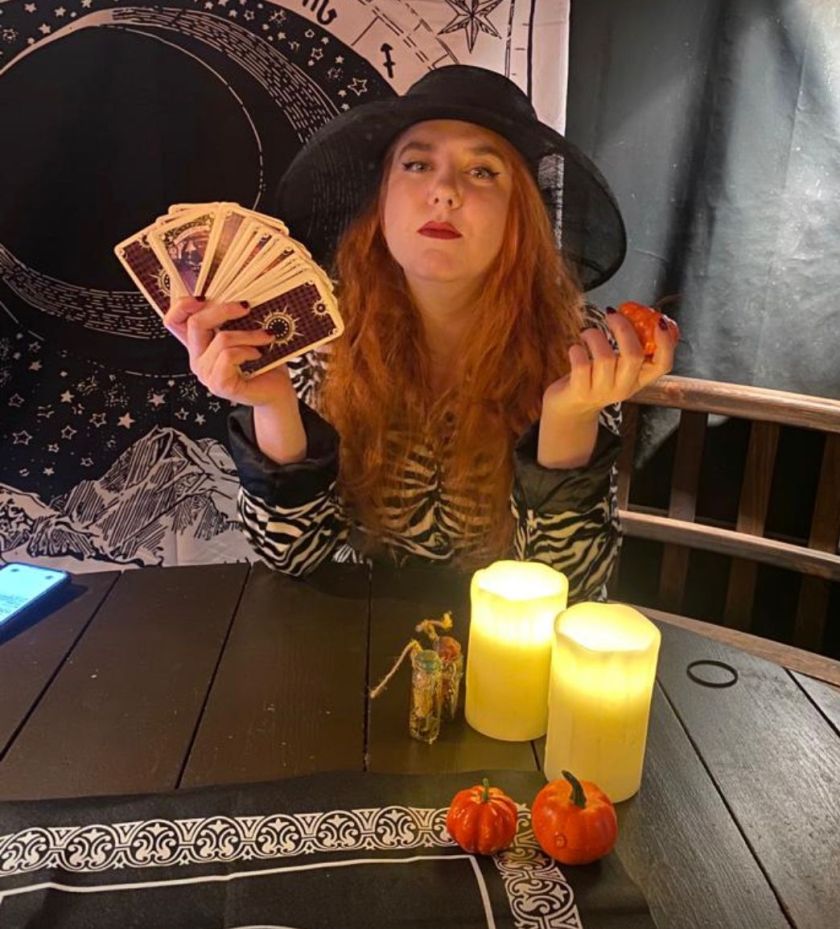
Digital Coven Founder Emma Carney looking Witchy holding tarot cards and wearing a black witchy hat

 Book a tarot reading or workshop with Me, Emma, just email  emma@emfluence.co.uk and we can go from there (my actual Witchcraft Shop is launching over at Witchytype.com soon).


Follow the magic on social: @Bunnypudding (Tiktok) / @Witchytypebookclub (Tiktok) / @Bunnyscopes (Instagram) / Link Tree / Digital Coven Facebook 

Blessed Samhain, Coven, until next time, all the love  Ems x X

P.S. Loved this post? Share it with a fellow Witchy Type! Tag us or drop a comment—We adore hearing from you. 

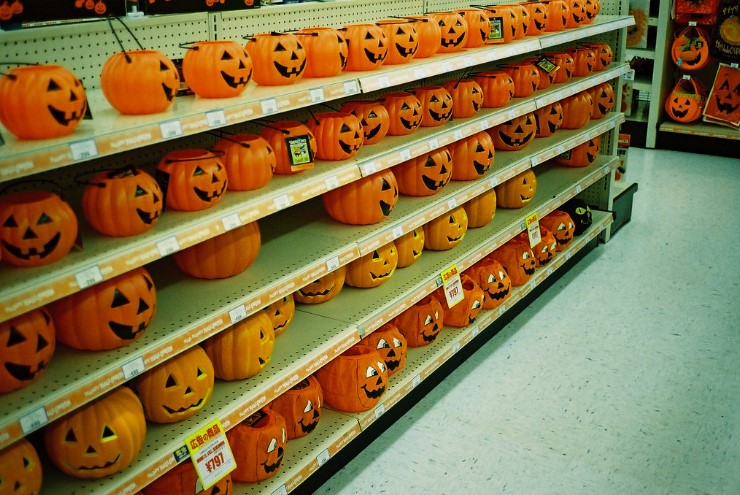
Featured images: “Halloween decorations.” by MIKI Yoshihito. (#mikiyoshihito)
Magical Bloomsbury: A Spiritual Tour Guide for Witches 

I share some of my favourite Witchy haunts in Bloomsbury London, one of my most loved locations in the capital.

Well hello there my daring Coven, 

I was recently invited to go on a little adventure to Bloomsbury in London and what I found there was simply delightful! I wanted to share some things that you can do within this Iconic part of London should you ever decide to visit Old Blighty’s capital City (and my truest love, (Said in cockney accent) Laaaannndann Town! 

Bloomsbury, known for its intellectual history and leafy squares, is also home to mystical and spiritual treasures perfect for witches, pagans, and those on a spiritual path. From magical bookstores to peaceful parks ideal for grounding rituals, here’s a guide to Bloomsbury’s most enchanting spots.

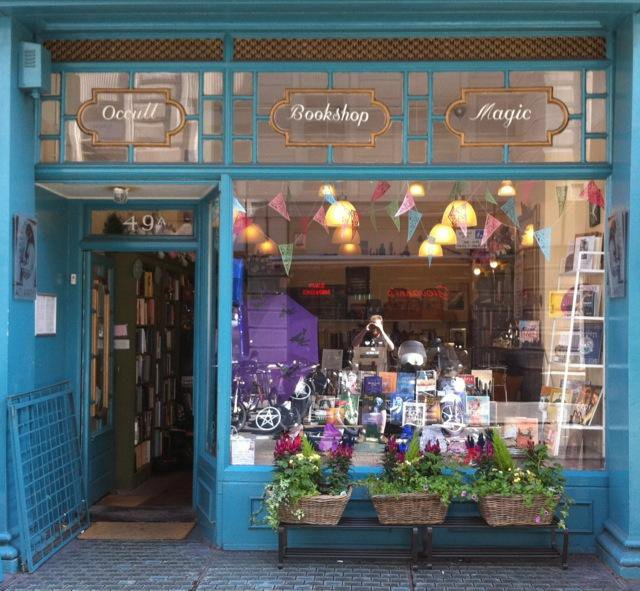
Image Credit: The Atlantis Bookshop

1. The Atlantis Bookshop

49A Museum Street

Situated just off the British Museum, The Atlantis Bookshop is a Bloomsbury treasure for witches and occultists. As one of the oldest occult bookshops in London, it has been a cornerstone of magical study since 1922. Whether you’re looking for books on witchcraft, tarot, or ceremonial magic, this shop has it all. You’ll also find tools for spellwork like candles, incense, and crystals, making it a perfect stop to restock your magical supplies. You may even bump into me there as I blooming love this love this book store and they have certainly helped me add to my Tarot card collection a few times, eek! 

If stopping by, why not check out some of their fabulous events here.

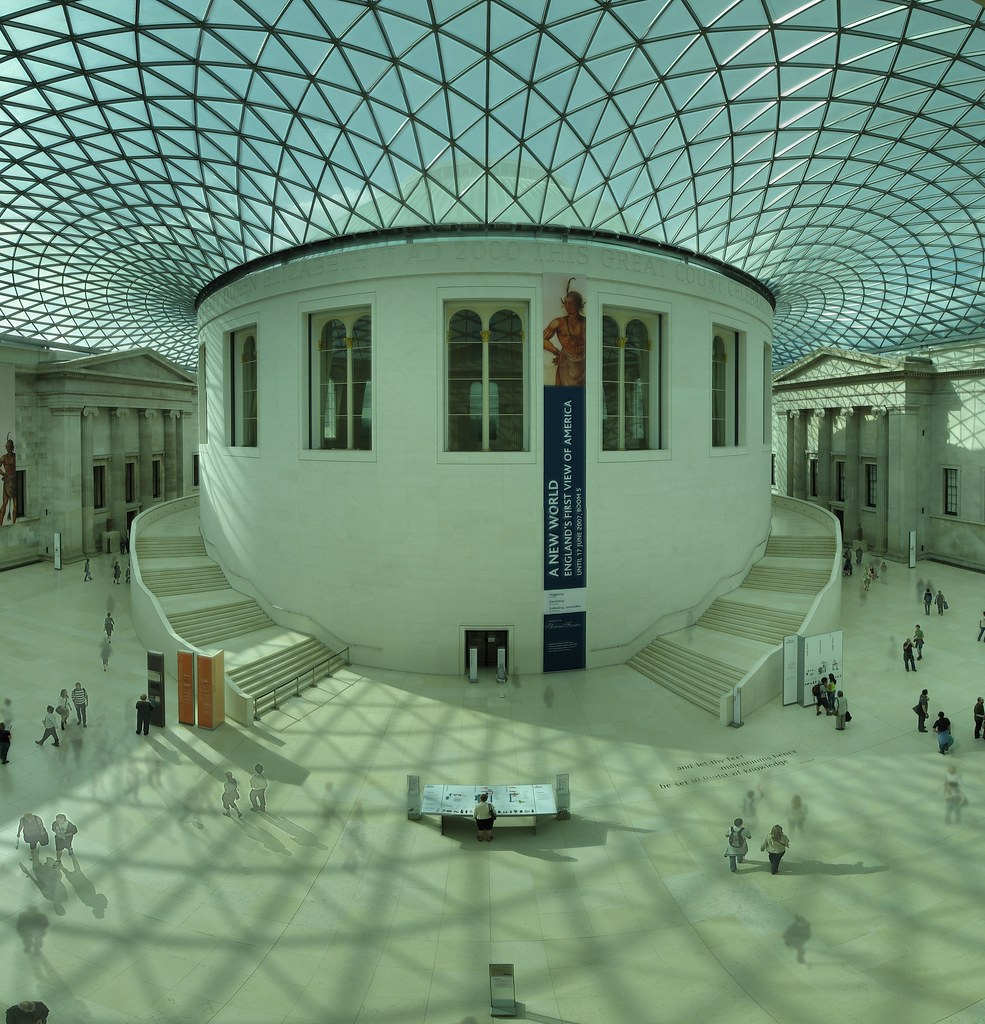
2. The British Museum’s Magical Collections

Great Russell Street

The British Museum is more than just a hub of historical artifacts—it’s a treasure trove of magical history. For witches and occultists, the Egyptian and Assyrian collections offer insight into ancient magical practices, protection amulets, and sacred symbols. Whether it’s the Book of the Dead or powerful talismans used by the ancients, there’s much for the modern practitioner to learn here. Don’t miss out on the mystical collections of ancient rituals and symbols, from protection amulets to sacred scrolls. Check out there current events and where to book guided tours here.

Bloomsbury has so many fabulous Museums and Galleries so check out a comprehensive list here

The British Museum: Image credit

3. Bloomsbury Squares and Gardens

Bloomsbury is famous for its charming squares, many of which offer tranquil spaces perfect for magical work. Russell Square, Bedford Square, and Gordon Square are all havens for anyone looking to meditate, perform a grounding ritual, or simply connect with the earth’s energies. The quiet, leafy surroundings provide an ideal spot for outdoor tarot readings or spiritual contemplation, especially in the early mornings when the energy is serene. You can even book out some of their parks for events, so perfect if you fancy a coven meeting with a unique London Twist! 

Check out some of the many Bloomsbury parks and green spaces here.

4. The Foundling Museum

40 Brunswick Square

While not strictly magical, the Foundling Museum has a strong connection to Bloomsbury’s spiritual and compassionate history. The museum tells the story of the Foundling Hospital, established in the 18th century to care for abandoned children. Witches working with themes of charity, ancestral healing, or children’s protection may find this a moving place to visit. The history and energy of the site make it a unique stop for those on a spiritual journey. I went via a walking tour and the energy around this area was magical. On that note, I highly recommend booking a walking tour if you can, I learned so much!

5. St. George’s Gardens

Judd Street

One of Bloomsbury’s hidden gems, St. George’s Gardens was originally a burial ground, and now serves as a peaceful green space with a lingering sense of the past. For witches who work with spirits or ancestors, this garden is a quiet, reflective place perfect for ancestral veneration or spirit work. The trees and old gravestones create a serene atmosphere, making it ideal for meditation or quiet magical practice. 

Check out some of the many Bloomsbury parks and green spaces here.

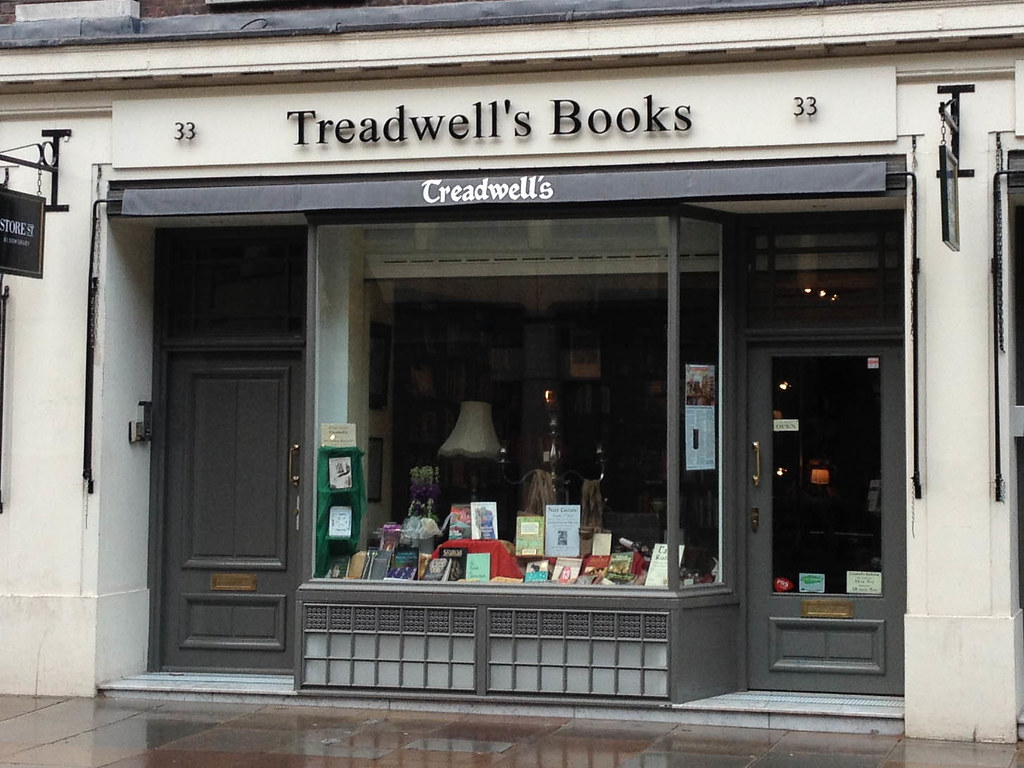
Image Credit: 

6. Treadwell’s Books (On the Bloomsbury Border)

33 Store Street

Although located right on the border of Bloomsbury, another of my favouirte bookstores Treadwell’s Books deserves a mention for anyone on a spiritual path. Known for its excellent collection of books on magic, paganism, and the occult, Treadwell’s also hosts lectures, workshops, and ritual evenings, making it a central hub for witches and spiritual seekers in London. Check out their events for a chance to connect with like-minded people and learn more about your craft.

You can also become a member and get exclusive contents and discounts, which I am very tempted to do myself very sooon! 

7. The Wellcome Collection

183 Euston Road

While technically just outside Bloomsbury’s traditional boundary, the Wellcome Collection is close enough to include for those interested in the intersection of spirituality, magic, and healing. The museum’s exhibits often explore esoteric and alternative healing practices, including alchemy, spiritual healing, and the relationship between mind, body, and spirit. It’s a fascinating place for those looking to delve into the mysteries of magical healing traditions and their modern-day interpretations.

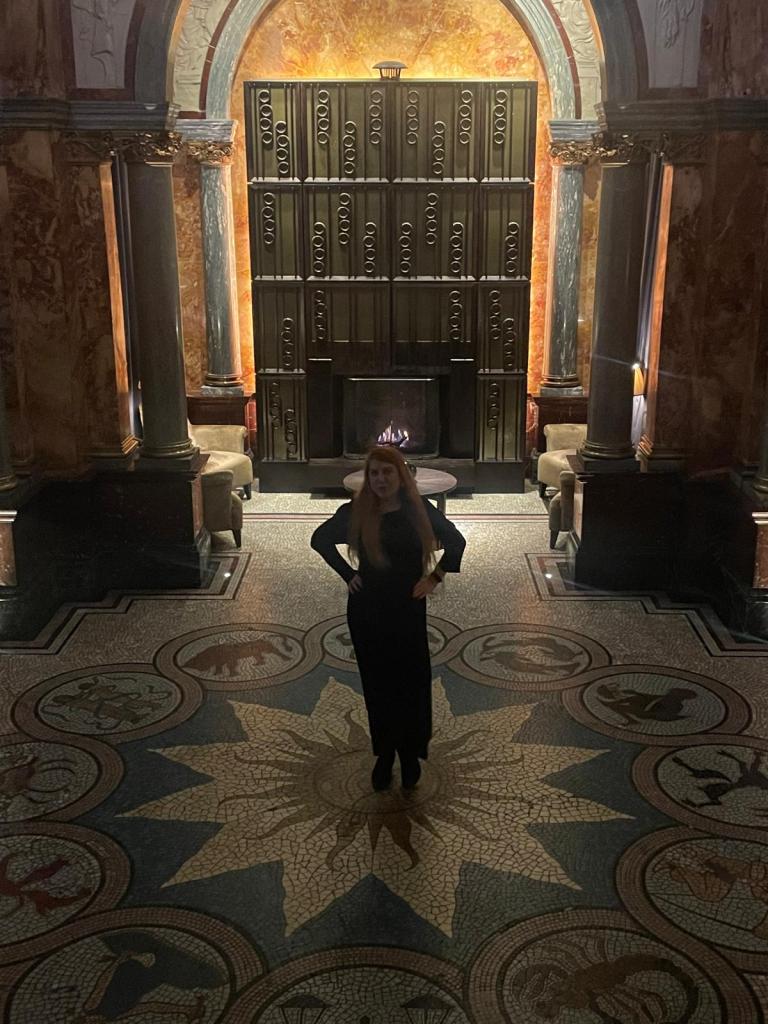
Me at the Kimpton! 

8. The Kimpton Fitzroy London

1-8 Russell Square

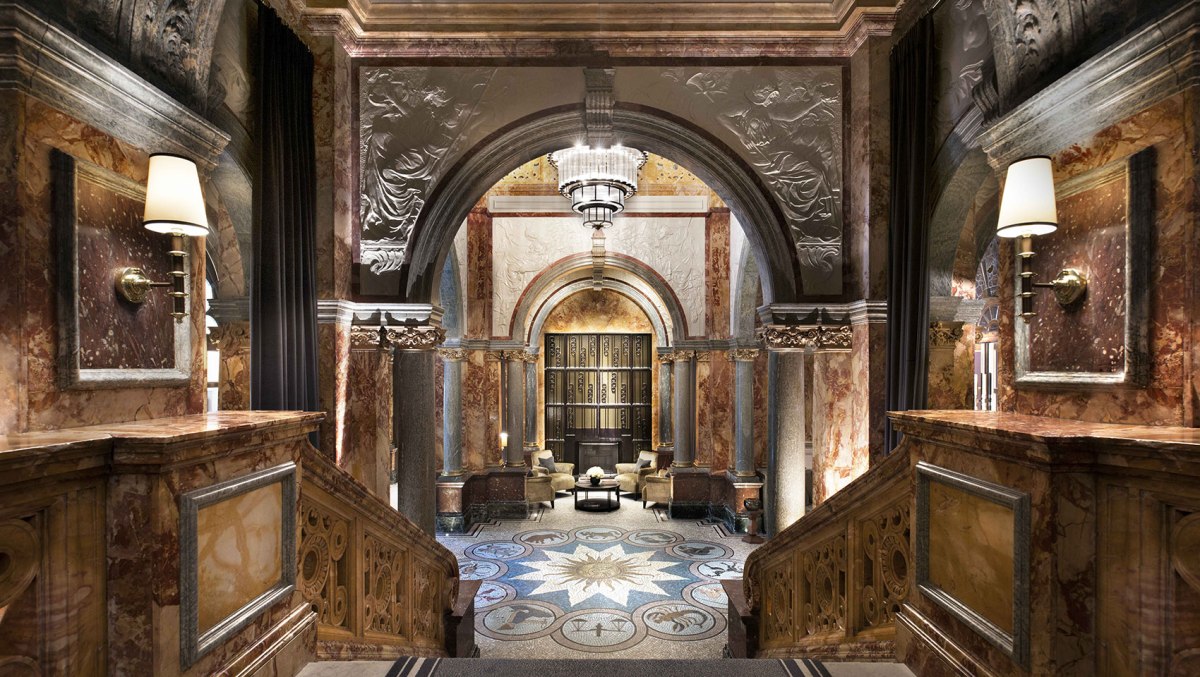
As a bougie queen who loves a bit of luxury and history combined we certainly need to be staying over in style, we deserve it after all! One of Bloomsbury’s most elegant landmarks, the Kimpton Fitzroy London is a stunning hotel that blends history and glamour, and it’s also a place of esoteric wonder. Built in 1898, this terracotta masterpiece welcomes you with four British queens guarding its entrance. Inside, you’ll find a magnificent Zodiac mosaic at your feet in the hotel’s lobby—a nod to the mystical influence of astrology. The ornate design invites guests to connect with their astrological sign and the wider cosmos, making it an enchanting experience for any spiritual traveler…and if you want, you can even book a tarot reading whilst there! 

Throughout the hotel, modern comforts merge with historic details, creating an atmosphere rich in energy and history. Whether you stay for a night or just stop by to admire the lobby’s Zodiac mosaic, the Kimpton Fitzroy is a must-visit for those who feel connected to celestial magic and symbolism. I highly recommend staying for a drink and a bite to eat as their food is some of the best I’ve had in London. 

Bloomsbury is a neighbourhood full of quiet magic, intellectual energy, and spiritual history. Whether you’re meditating in a hidden garden, seeking inspiration at an occult bookshop, or contemplating ancient spells at the British Museum, there’s something for every witch or spiritual seeker in this historic part of London. So, grab your broomstick (or simply your journal and tarot deck) and explore Bloomsbury’s hidden spiritual treasures.

Have you been to Bloomsbury or explored some of the Witchy side of London? If so let me know below! 

Click the link to book a Witchy Workshop or Tarot reading or get in touch: Emma@emfluence.co.uk

Why not show me some love on my social channels as well, it really makes  me feel warm and fuzzy when I hear from you! 

@Bunnypudding (Tiktok) / @Bunnyscopes (Instagram)

Until Next time my darlings, all the love! 

Ems x 

The History and Celebration of Lughnasadh and Lammas : Embracing the First Harvest Festival

Today is the first harvest festival of the year. Today we delve into the the History and Celebration of Lughnasadh and Lammas.

It’s August 1st darlings, which can mean only one thing – It’s time to Celebrate Lughnasadh! Who doesn’t like giving thanks and having a wee party, eh? Lughnasadh, also known Lammas in some areas of the UK, is a significant festival in the Wheel of the Year, marking the beginning of the Harvest season. Celebrated on August 1st, Lughnasadh is a time to give thanks for the first fruits of the earth and to honor the Celtic god Lugh. This ancient festival, rich in history and tradition, is a vibrant blend of pagan, Christian, and agricultural elements – Who doesn’t love a bit of diversity at a party, am I right?

The Historical Roots of Lammas

Pagan Origins

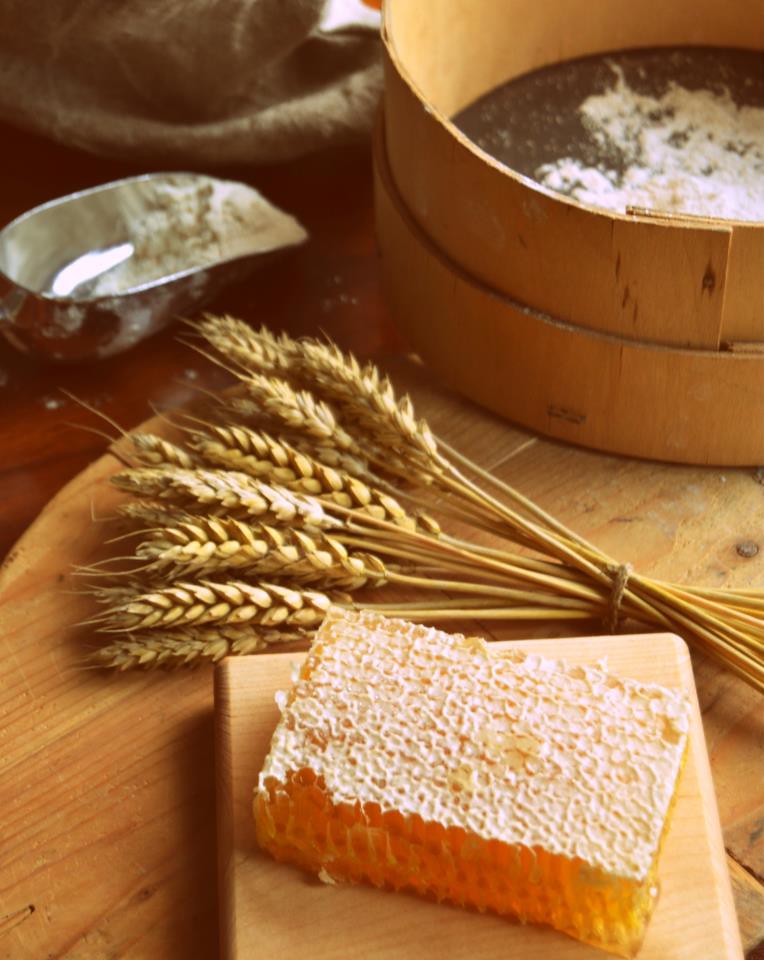
The term “Lammas” is derived from the Old English/ Anglo Saxon word “hlafmaesse,” meaning “loaf mass.” It was traditionally the time when the first grain harvest was celebrated, and loaves of bread were baked from the new wheat crop. These loaves were then used in rituals and as offerings. Who doesn’t love an excuse to eat cards, eh? 

Lammas corresponds with the Celtic festival of Lughnasadh, named after the god Lugh. Lugh was a god of light, skill, and craftsmanship, celebrated in many myths for his talents and leadership. Lughnasadh was a time for feasting, games, and community gatherings, reflecting the communal effort required for the harvest. Check out my other posts on Lughnasadh and Lammas – What’s the Difference?  And my post The Celtic Celebration of Lammas and the God Lugh for more info on these. (I know, I know, it’s an actual harvest of content today, isn’t it? You’re most welcome, coven) 

How It Inspired The Christian Tradition 

With the advent of Christianity, Lammas and Lughnasadh became ‘integrated’ into the Christian calendar. It evolved into a thanksgiving for the first fruits, and loaves of bread were blessed in churches. This blending of traditions illustrates the adaptability of early Christian practices to local customs and agricultural cycles. 

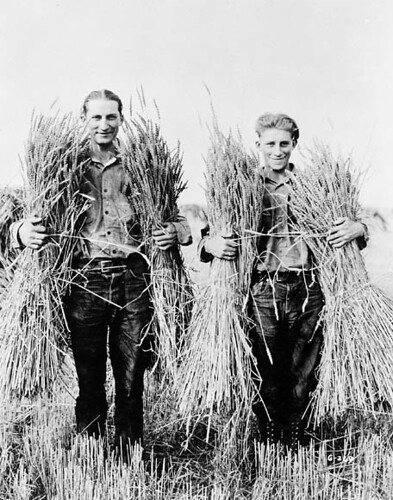
Two men from the British Isles harvest wheat / Deux hommes des îles Britanniques récoltent du blé” by BiblioArchives / LibraryArchives is licensed under CC BY 2.0.

Agricultural Significance

Lughnasadh / Lammas is deeply rooted in agricultural traditions. It marks the time when the hard work of planting and tending crops begins to bear fruit. The first grains of the year are harvested, a crucial milestone for agrarian societies. This celebration of abundance is also a reminder of the need for continued hard work to ensure a bountiful harvest in the coming months.

Celebrating Lughnasadh and Lammas Today

Modern celebrations of Lughnasadh / Lammas can vary widely, reflecting its diverse origins and the personal beliefs of those who observe it. Here are some common ways to celebrate this festival, both traditionally and in contemporary settings.

Rituals and Practices

  1. Bread Baking and Offering
    Baking bread is one of the most traditional ways to celebrate Lammas. The act of baking symbolizes transformation and the cycle of life, as the harvested grain is turned into sustenance. Here is a simple ritual to try:


Materials Needed:

  • Flour, yeast, water, salt, and any other bread ingredients you prefer.
  • A loaf pan or baking sheet.
  • Candles for your altar.
  1. Instructions:
  • Set up a small altar with candles, representing the light and warmth of the harvest.
  • As you mix the ingredients, focus on your intentions for the bread. Consider what you are grateful for and what you wish to manifest.
  • While kneading the dough, chant or sing to imbue the bread with positive energy.
  • Once baked, place the bread on the altar and offer thanks to the earth for its bounty. You can share the bread with loved ones or use it in further rituals.

Harvest Moon” by Turku Gingerbread is licensed under CC BY 2.0.

  1. Harvest Feast
    Hosting a feast with friends and family is a joyous way to celebrate Lammas. Use seasonal fruits, vegetables, and grains to create a meal that honors the first harvest. Decorate your space with sheaves of wheat, sunflowers, and other symbols of abundance.
  1. Crafting Corn Dollies
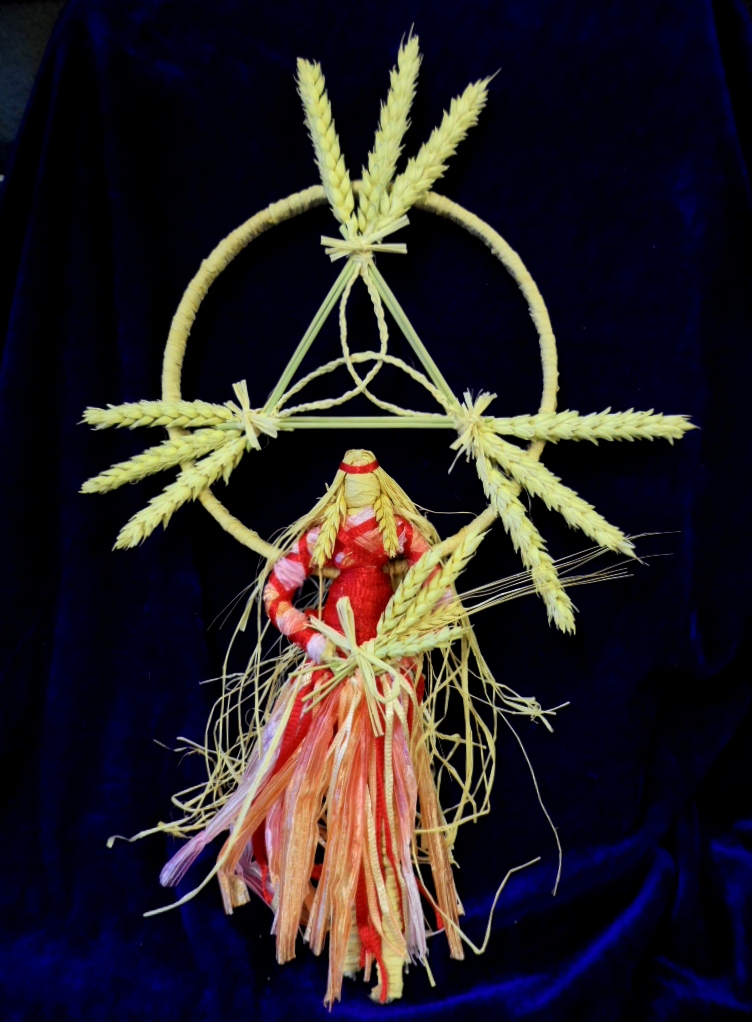
    Corn dollies are traditional crafts made from the last sheaf of wheat harvested. These figures were believed to house the spirit of the grain and were kept until the next planting season to ensure a good crop. To make a corn dolly:
    Materials Needed:
  • Dried wheat stalks or corn husks.
  • String or ribbon.
  1. Instructions:
  • Soak the wheat stalks or corn husks in water to make them pliable.
  • Braid or weave the stalks into a figure, tying them with string or ribbon to hold the shape.
  • Place the corn dolly on your altar or hang it in your home as a symbol of prosperity and protection.

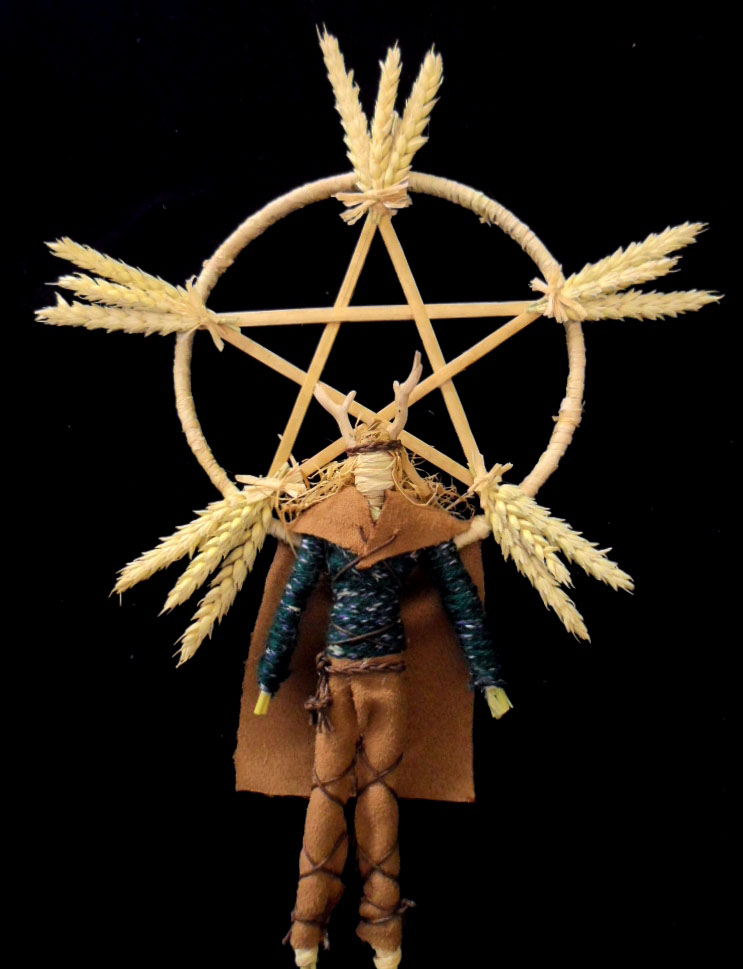
File:Contemporary male Corn dolly.jpg” by Mountainash333 is licensed under CC BY-SA 3.0.

I also like to make ‘Dollies’ out of flowers and grass, especially when I sat in a field doing my thanksgiving. Above is a very fancy Male Corn Dolly representing ‘The Harvest Father’ 

  1. Offering to the Land
    Making offerings to the land is a way to give thanks and honor the earth. You can offer a portion of your harvested fruits, vegetables, or baked goods to the land. Simply find a special place in nature and leave your offering with a prayer of gratitude.
  1. Reflection and Gratitude Ritual
    Lammas is a time for reflection and gratitude. Set aside time to meditate on the past year’s growth and challenges. Write down what you are thankful for and what you hope to achieve in the coming months. Burn the paper as an offering, symbolizing the release of your intentions into the universe.

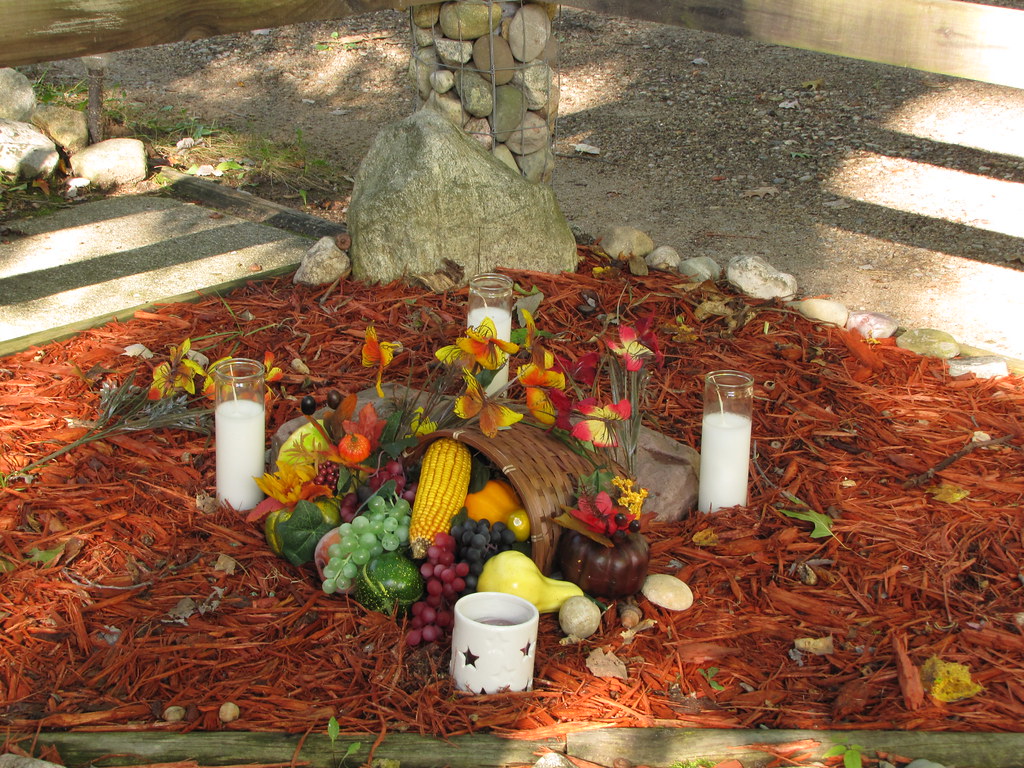
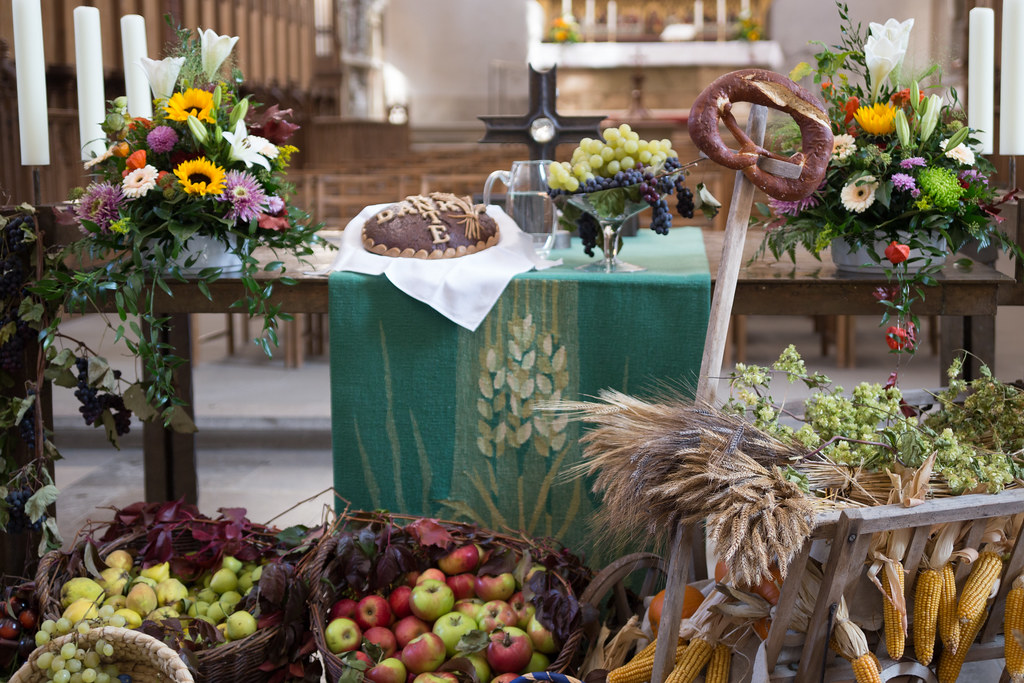
Mabon Altar 2012” by Pearl Photo is marked with Public Domain Mark 1.0.

Incorporating Lughnasadh / Lammas into Modern Life

While the traditional practices of Lammas are deeply rooted in agrarian life, they can be adapted to suit modern lifestyles. Here are some ideas for incorporating Lammas into your life, regardless of your living situation:

  1. Urban Celebrations
    Even if you live in an urban environment, you can celebrate Lammas by visiting a local farmers’ market and purchasing seasonal produce. Support local agriculture by buying fresh fruits, vegetables, and bread. As a London Dweller myself, I always try to find some green space (believe it or not there is some in London!) and take some time to sit and pay gratitude, and if able do a few wee rituals. Also, growing herbs and other things in window boxes and on balconeys is another great way to get your green witchcraft hat on!
  1. Gardening and Planting
    If you have a garden, use Lammas as a time to tend to your plants and reflect on the cycle of growth. Planting herbs or flowers that thrive in late summer can be a symbolic act of honoring the earth. If you are low energy, then just sitting in your garden or green space having a coffee can be just as sacred.
  1. Community Involvement
    Lammas is about community and sharing. Volunteer at a local food bank or community garden to give back to your community. Sharing your time and resources is a modern way to embody the spirit of the first harvest. I also like to go and feed the local crows in my park, and pick up any rubbish as I do so. Little things we do can have a huge impact.
  1. Creative Expressions
    Engage in creative activities that celebrate the themes of Lammas. Paint, write poetry, or create music inspired by the season’s abundance and the myth of Lugh. Creative expression can be a powerful way to connect with the festival’s energy. I love to have a bit of a dance and sing song (rather badly I may add but it’s still bloody fun so why not?!)

Do you celebrate Lughnasadh or Lammas? If so let us know below or via our social channels as we love to hear from you and share our practices. 

Like this article? Why not sign up to our newsletter and or social channels? We love to hear from you! 

@Bunnypudding (Tiktok) / @Bunnyscopes (Instagram)

Ems xX

References

Profile Image: “File:A Contemporary Goddess of the corn . Corn Mother.JPG” by Rowan Duxbury is licensed under CC BY-SA 3.0

Hutton, Ronald. The Stations of the Sun: A History of the Ritual Year in Britain. Oxford University Press, 1996.

Pennick, Nigel. The Pagan Book of Days: A Guide to the Festivals, Traditions, and Sacred Days of the Year. Destiny Books, 1992.

Farrar, Janet and Stewart. Eight Sabbats for Witches. Robert Hale, 1981.

Grimm, Jacob. Teutonic Mythology. George Bell and Sons, 1883.

MacNeill, Máire. The Festival of Lughnasa: A Study of the Survival of the Celtic Festival of the Beginning of Harvest. Oxford University Press, 1962.

Lughnasadh and Lammas – What’s the Difference? A Very Concise History of the Celtic and Anglo Saxon Nations

We explain what the Celtic Nations are and what the difference between Lughnasadh and Lammas. Snazzy, eh?

Hello Coven, me again, what can I say, I am NEEDY for your love and most likely in the middle of a hyper fixation….You’re welcome! Anyhow, further to my earlier post on Lughnasadh and Lammas I wanted to share a post I wrote for an upcoming project I am working on (around Celtic Heritage….eiiii) about the variance between the two festivals. The British Isles has a fascinating history featuring a mix of cultures including Celtic, Anglo Saxon, Norse (Yip, they get around everywhere, bless ‘em),Norman and even blooming the fabulous cultures that the Roman army brought over, we certainly have a multi-cultural vibe going on. So I just wanted to add a bit more nuance to variance between the festivals historically. 

Firstly, what are the celtic nations? 

File:Map of Celtic Nations-flag shades.svg” by QuartierLatin1968 is licensed under CC BY-SA 3.0.

The Celtic Nations

The Celtic nations are regions in Western Europe where Celtic languages and cultural traditions have endured. There are six recognised Celtic nations:

  1. Ireland (Éire) [Green] Aka Emma’s Mother Land ❤
    • Language: Irish Gaelic (Gaeilge)
    • Highlights: Rich traditions in music, dance, and folklore. Historical sites like the Hill of Tara reflect its ancient Celtic roots.
  2. Scotland (Alba) [Blue] Aka Ajs Mother Land 
    • Language: Scottish Gaelic (Gàidhlig)
    • Highlights: Famous for wild haggis, bagpipes, kilts, and Highland games. The language is spoken in the Highlands and the Western Isles, with historical sites like the Callanish Stones. 
  3. Wales (Cymru) [Red] 
    • Language: Welsh (Cymraeg)
    • Highlights: Known for male voice choirs and the Eisteddfod festival. The beautiful Welsh language is NOW widely spoken and taught especially in the north and west but this is only recently but let’s talk about colonisation in another post…. 
  4. Brittany (Breizh) [Black] 
    • Language: Breton (Brezhoneg)
    • Highlights: Located in northwest France, it features traditional music and dance (fest-noz). The Breton language is spoken by a minority, with megalithic sites like Carnac.
  5. Cornwall (Kernow) [Yellow]
    • Language: Cornish (Kernewek)
    • Highlights: Situated in southwestern England, known for mining, fishing, and folklore. The language, like Welsh is experiencing a revival, with cultural sites like Tintagel Castle.
  6. Isle of Man (Mannin) [Mustard] 
    • Language: Manx Gaelic (Gaelg)
    • Highlights: The island has a unique Celtic and Norse heritage, with traditional music and the annual Tynwald Day ceremony. Manx Gaelic is being revived through education.

Other Regions with Celtic Influence

  • Galicia and Asturias (Spain): These regions have significant Celtic cultural elements, especially in music and dance.

And finally England [White]: 

Why England Isn’t a Celtic Nation (Explained Politely)

While certain regions of England, such as Cornwall, have Celtic roots, England as a whole is not considered a Celtic nation. This is due to the significant Anglo-Saxon and Norman influences that have shaped its cultural and linguistic identity, overshadowing the earlier Celtic heritage. The predominant language and cultural practices in England evolved separately from the distinct Celtic traditions maintained in the recognised Celtic nations.

Union of Nations Celtics

Combined flag of the Celtic nations” by BzhSamTheRipper is licensed under CC BY-SA 3.0.

Ok, phew – let’s get to the festival variances between the festival and a detailed comparison of the two:

Lughnasadh:

Origins and Etymology

  • Celtic Festival: Lughnasadh is rooted in ancient Celtic tradition. The name Lughnasadh (pronounced “Loo-nah-sah”) is derived from the god Lugh, a prominent deity in Celtic mythology, and “nasadh,” which means assembly.
  • Mythological Significance: Lughnasadh was established by Lugh to honor his foster mother, Tailtiu, who died from exhaustion after clearing the plains of Ireland for agriculture. It is a celebration of the harvest and a commemoration of Tailtiu’s sacrifice. Thanks Tailtiu!

Celebrations and Traditions

  • Feasting and Games: Central to Lughnasadh are communal feasts and athletic games, reflecting Lugh’s associations with skill and competition. These games included horse racing, wrestling, and various contests of strength and agility.
  • Religious Rituals: Offerings of the first fruits of the harvest were made to the gods, particularly to Lugh, to ensure continued fertility and abundance. Rituals often took place at sacred sites such as hilltops and stone circles.
  • Craftsmanship: As Lugh was a god of many talents, craftsmanship and artistic skills were celebrated. Exhibitions and competitions in various crafts were held, showcasing the community’s talents.
  • Fire Festivals: Bonfires were lit as part of the festivities, symbolising purification and the power of the sun. The Celts love a fire festival, and celebrate 4 year. Nice.

Cultural Context

  • Irish and Scottish Heritage: Lughnasadh is primarily celebrated in regions with strong Celtic heritage, such as Ireland and Scotland. It has deep roots in the agricultural calendar and the Celtic mythology of these areas.

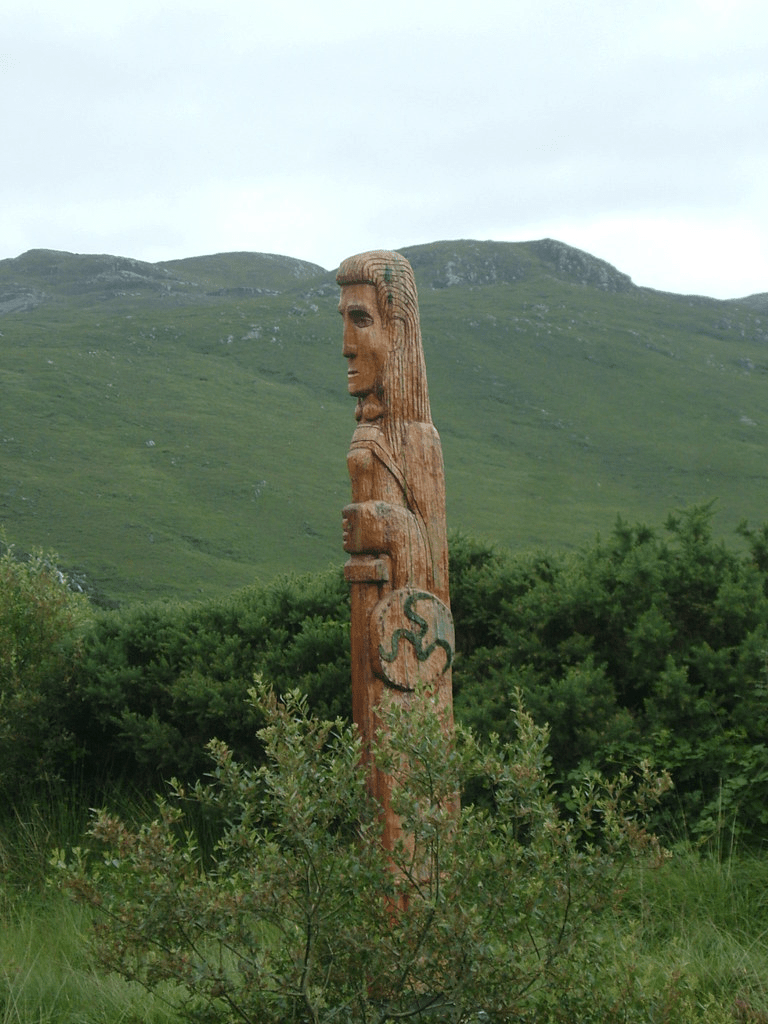
Lúgh Láimh Fada == Lu of the Long Hands” by Liamfm . is licensed under CC BY-SA 2.0.

Lammas

Origins and Etymology

  • Anglo-Saxon Festival: Lammas, from the Old English “hlafmaesse,” translates to “loaf mass.” It was a Christian festival that marked the blessing of the first loaf of bread made from the new wheat crop.
  • Christian Integration: As Christianity spread through the British Isles, Lammas became integrated into the Christian liturgical calendar. It was a time to give thanks to God for the first fruits of the harvest and to bless the bread made from the new grain.

332 Lammas Festival” by Trinity Trees is licensed under CC BY-SA 2.0.

Celebrations and Traditions

  • Blessing of Bread: The primary ritual of Lammas involved baking a loaf of bread from the first harvested grain and taking it to church to be blessed. This act symbolized gratitude for the harvest and the provision of daily bread.
  • Feasting and Community Gatherings: Similar to Lughnasadh, Lammas involved communal feasting and sharing of the harvest’s bounty. It was a time for communities to come together and celebrate the season’s abundance.
  • Agricultural Customs: In addition to the religious aspects, Lammas was also marked by various agricultural customs, such as the reaping of the first wheat and the preparation of fields for the next planting season.

Cultural Context

  • Medieval and Early Modern England: Lammas was widely celebrated in medieval and early modern England. It reflects the integration of pagan harvest festivals into the Christian tradition, demonstrating the adaptability and syncretism of religious practices during this period.

Comparison and Modern Celebrations

Common Themes

  • Harvest Celebration: Both Lughnasadh and Lammas celebrate the beginning of the harvest season, giving thanks for the first fruits and acknowledging the hard work of the agricultural cycle.
  • Community and Feasting: Communal meals and gatherings are central to both festivals, fostering a sense of community and shared gratitude.

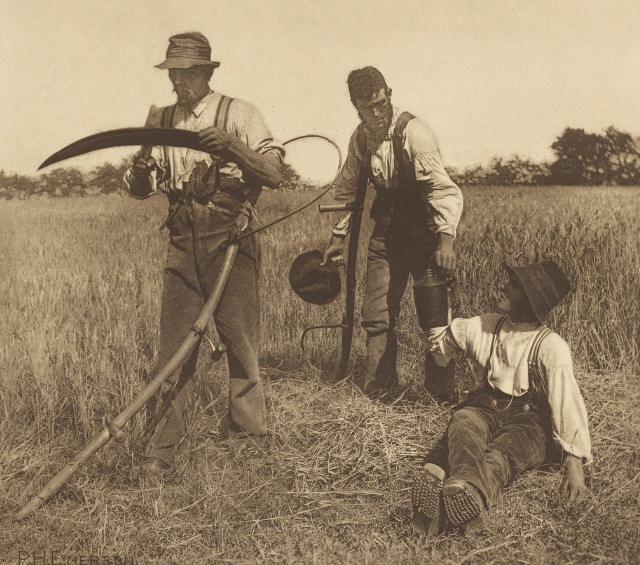
Barley-Harvest. [Suffolk.] Peter Henry Emerson” by J. Paul Getty Museum is marked with CC0 1.0.

Differences in Focus

  • Deity vs. Christian Context: Lughnasadh is specifically tied to the Celtic god Lugh and his mythological significance, whereas Lammas is a Christianized festival focusing on the blessing of bread and the harvest.
  • Cultural Origins: Lughnasadh has its roots in Celtic traditions and is primarily associated with Ireland and Scotland. Lammas, on the other hand, is an Anglo-Saxon festival that became integrated into Christian practices in England.

Modern Celebrations

  • Neo-Pagan Practices: Many modern Neo-Pagans celebrate Lughnasadh by incorporating traditional Celtic rituals, such as crafting corn dollies, baking bread, and holding feasts and games. These practices honor the historical roots and the god Lugh.
  • Wiccan Sabbats: In Wiccan tradition, both Lughnasadh and Lammas are celebrated as one of the eight Sabbats in the Wheel of the Year. Wiccans might blend elements of both traditions, focusing on harvest themes, gratitude, and community.
  • Mordern Witches: Many witches follow the wheel of the year but don’t have associations with any deities and in some cases are antheist but include elements of the celebrations in their practices (Again, hello fwends!)
  • Contemporary Christian Observance: Some Christian communities continue to observe Lammas with the blessing of bread and thanksgiving services, maintaining the festival’s historical Christian elements.

Harvest Altar” by allynfolksjr is licensed under CC BY 2.0.

So there you have it! While Lughnasadh and Lammas share common themes of harvest and gratitude, they originate from distinct cultural and religious traditions. Lughnasadh is deeply rooted in Celtic mythology and the veneration of the god Lugh, while Lammas has its origins in Anglo-Saxon Christian practices centered around the blessing of the first bread. Both festivals, however, offer rich traditions and practices that celebrate the abundance of the earth and the importance of community.

Like this article? Why not sign up to our newsletter and or social channels? We love to hear from you! 

@Bunnypudding (Tiktok) / @Bunnyscopes (Instagram)

Ems xX

References

Featured image: “The grass bends, the oak breaks (harvest series)” by Rising Damp is licensed under CC BY 2.0.

Hutton, Ronald. The Stations of the Sun: A History of the Ritual Year in Britain. Oxford University Press, 1996.

Pennick, Nigel. The Pagan Book of Days: A Guide to the Festivals, Traditions, and Sacred Days of the Year. Destiny Books, 1992.

Farrar, Janet and Stewart. Eight Sabbats for Witches. Robert Hale, 1981.

Grimm, Jacob. Teutonic Mythology. George Bell and Sons, 1883.

MacNeill, Máire. The Festival of Lughnasa: A Study of the Survival of the Celtic Festival of the Beginning of Harvest. Oxford University Press, 1962.

The Celtic Celebration of Lughnasadh and the God Lugh

Its all Live, Laugh, Lugh! in todays post as we explore The Celtic Celebration of Lughnasadh and it’s name sake, the God Lugh

Three times a charm today Coven! As a bit of a teaser for a project that I am working on, here is a little explainer into the Celtic God Lugh and Lughnasadh, any questions or queries please let me know…but let’s dive in shall we?

Lughnasadh holds a significant place in the Celtic tradition as one of the four major fire festivals, along with Imbolc, Beltane, and Samhain. Celebrated on August 1st, Lughnasadh marks the beginning of the harvest season and is named after the god Lugh, a prominent figure in Celtic mythology.

The Celtic Celebration of Lughnasadh

The ancient Celts had a deep connection to the cycles of nature, and their festivals reflected the agricultural rhythms of their lives. Lughnasadh was no exception and was celebrated with a variety of customs that honored the harvest, fostered community ties, and paid homage to Lugh.

Feasting and Games
Lughnasadh was a time of communal feasting, where people gathered to share the bounty of the first harvest. These feasts included freshly baked bread, seasonal fruits, and other agricultural products. Sharing food was a way to strengthen community bonds and express gratitude for the earth’s abundance.
Athletic games and competitions were also a central feature of Lughnasadh celebrations. These games, often held in honor of Lugh, included feats of strength, speed, and skill. Horse races, wrestling matches, and various other contests showcased the talents and vitality of the community. These activities were not only a form of entertainment but also a way to honor the physical prowess and competitive spirit that Lugh represented.

    Crafts and Handiwork
    Craftsmanship was another important aspect of Lughnasadh. People would display their handiwork, including weaving, metalwork, and other crafts. This emphasis on skill and creativity was a tribute to Lugh, who was renowned for his multifaceted talents. Competitions and exhibitions of crafts were common, allowing individuals to showcase their abilities and receive recognition from their peers.

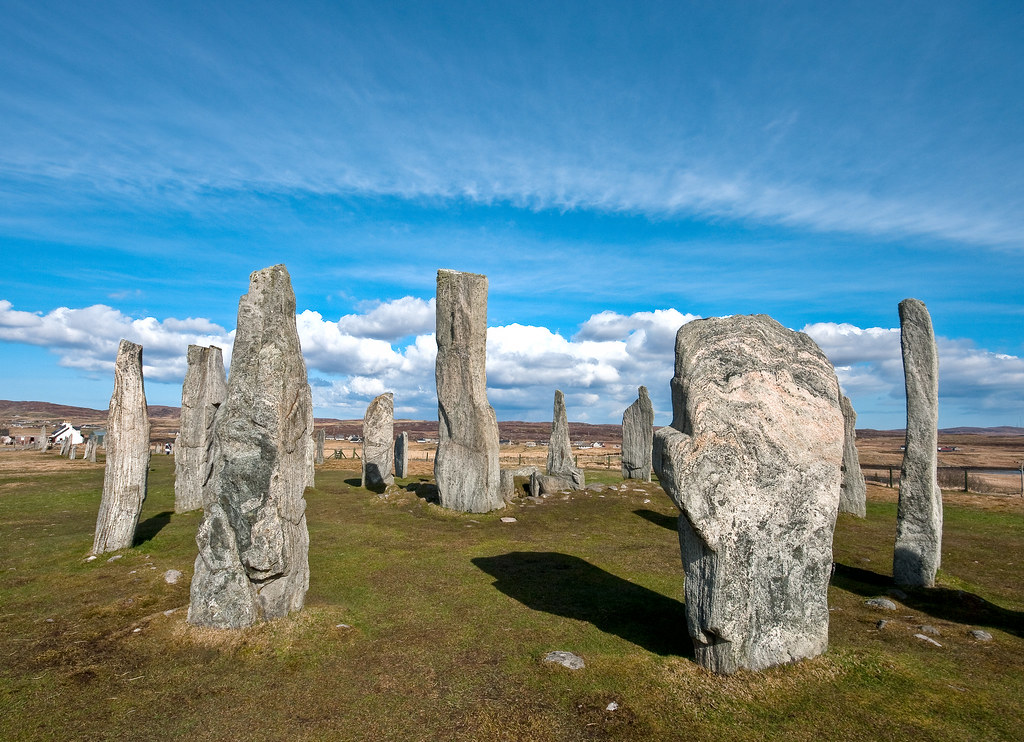
    Callanish Stone Circle” by Travels with a dog and a Camera 🙂 is licensed under CC BY 2.0.

    Religious Ceremonies and Offerings
    Religious rituals were integral to the celebration of Lughnasadh. These ceremonies often took place at sacred sites such as hilltops, stone circles, and other natural landmarks. Offerings of the first fruits of the harvest, particularly grain, were made to the gods to ensure continued fertility and abundance. These offerings might include loaves of bread, freshly harvested grains, and other symbolic items.
    Bonfires were also lit during Lughnasadh, serving as a focal point for communal gatherings and rituals. Fire, a symbol of purification and transformation, played a crucial role in Celtic festivals. People might dance around the bonfires, leap over the flames for luck, and use the fire’s energy to bless their homes and fields.

    Cultural and Social Activities
    Lughnasadh was not only a religious and agricultural festival but also a cultural and social event. Storytelling, music, and dance were integral parts of the celebrations. Bards and poets would recite tales of heroes, gods, and the land, reinforcing the cultural heritage and values of the community. Music and dance brought people together, fostering a sense of unity and joy. Any excuse for a party, eh? Anyway whilst y’all here *Pulls out my poetry notes and clears throat* There was once a woman from Stoke, who got something caught…

      Lúgh Láimh Fada == Lu of the Long Hands” by Liamfm . is licensed under CC BY-SA 2.0.

      Lugh: The Multifaceted Celtic God

      Lugh, pronounced “Loo-g” and in is one of the most revered deities in Celtic mythology. Known by various epithets such as Lugh Lámhfhada (Lugh of the Long Arm) and Samildánach (Skilled in All Arts), Lugh’s character and deeds are central to the themes of Lughnasadh.

      Origins and Mythology
      Lugh is a member of the Tuatha Dé Danann, a race of supernatural beings in Irish mythology. His parentage is a mix of the divine and the mortal (Dude, same!) as he is the son of the god Cian and the Fomorian princess Ethniu. This union symbolises the bridging of different worlds and the integration of diverse qualities within Lugh.
      One of the most famous myths involving Lugh is his entry into the court of King Nuada at Tara. According to the story, Lugh approached the gates of Tara seeking entry, but the doorkeeper refused him, stating that only those with a special skill were allowed in. Lugh then listed his numerous skills, including warrior, poet, harpist, blacksmith, and physician, among others. When the doorkeeper was unable to find anyone who possessed all these skills, Lugh was admitted and became a prominent figure at Tara. Safe to say, I am taking the vibes of Lugh with me next time I try to get into a west London Club (I am joking, I’d rather eat my own head then go to West London club but you get what I mean)

        Attributes and Symbolism
        Lugh is often associated with the sun and light, embodying the qualities of illumination, clarity, and inspiration. His long arm signifies his far-reaching influence and his ability to extend his power and protection over his followers.
        As a god of many talents, Lugh represents excellence and mastery in various fields. This aspect of his character encourages individuals to develop their skills and talents to their fullest potential. Lugh’s multifaceted nature also symbolises versatility and adaptability, important traits for survival and success in both personal and communal life.

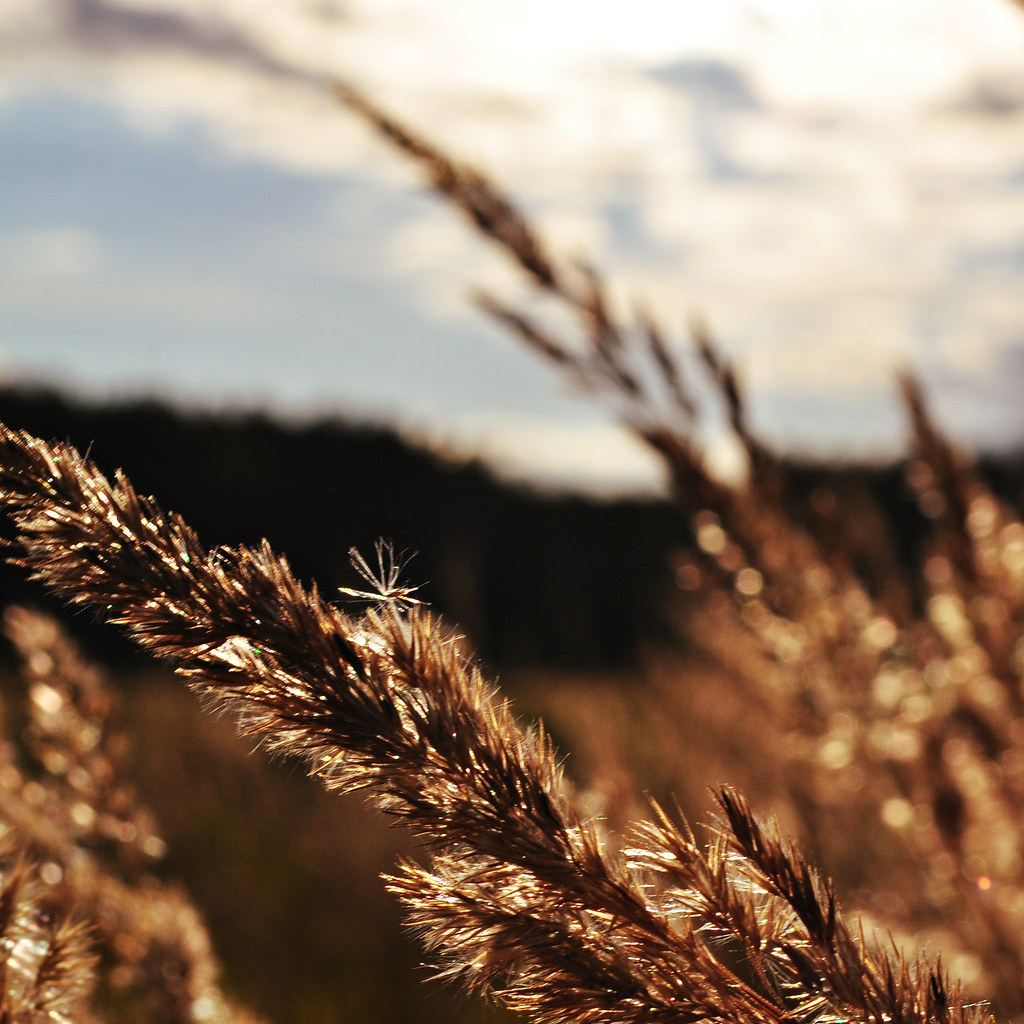
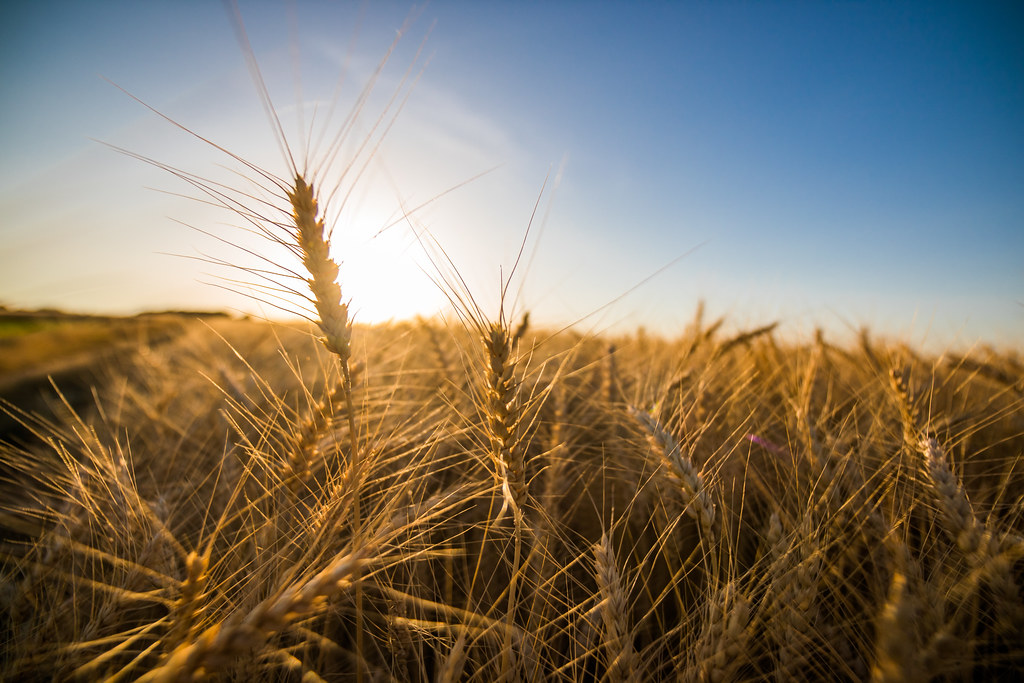
        Golden wheat before the harvest with the setting sun in the background” by Ivan Radic is licensed under CC BY 2.0.

        Warrior and Protector
        Lugh is also celebrated as a fierce warrior and a protector of his people. He played a crucial role in the Second Battle of Mag Tuired, where the Tuatha Dé Danann fought against the oppressive Fomorians. Lugh’s leadership and combat skills were instrumental in securing victory for his people, highlighting his role as a defender of justice and freedom.

        Patron of Arts and Crafts
        The Celts are very creative and poetic people and so Lugh’s association with arts and crafts makes him a patron of creativity and innovation. His festival, Lughnasadh, reflects this through the emphasis on games, crafts, and competitions. Lugh inspires individuals to strive for excellence and to take pride in their achievements, fostering a culture of creativity and continuous improvement. Sigh, isn’t he dreamy?

          Modern Laghnasadh Interpretation and Celebration

          While the ancient Celts had specific customs and rituals for Lughnasadh, modern practitioners of Celtic spirituality and Neo-Paganism (Hiya Friends!) have adapted these traditions to fit contemporary lifestyles. Here are some ways to celebrate Lughnasadh today, drawing on the spirit of the ancient festival but as always, take what works and make your practice yoru own (Respectfully of course):

          Host a Harvest Feast
          Gather friends and family for a meal that celebrates the first fruits of the harvest. Include dishes made from seasonal produce and freshly baked bread. Sharing food and stories can recreate the communal atmosphere of ancient Lughnasadh feasts. If there is one thing I can say about my celtic friends and family is that we don’t any excuse to have a wee shin dig so by all means have a mini feast every week if you want!

            Women’s interpretive dance class” by uwdigitalcollections is licensed under CC BY 2.0.

            Engage in Creative Activities
            Honor Lugh by engaging in a creative project, whether it’s crafting, writing, painting, or playing music. Showcase your skills and appreciate the talents of others in your community. Yes, social media and blog posts can be classed as creative exploits…this is a digita coven after all, would I say anything different?

              Participate in Athletic Games
              Organise or participate in athletic competitions or outdoor activities. Whether it’s a friendly race, a game of skill, or a hike, physical activity can connect you to the spirit of Lughnasadh and the energy of Lugh. I personally just go for a walk, as I don’t think I’ve ran since 2017 and I am fine with that. If you don’t or can’t do any athletic actvities why not watch the olympics this year or go and watch people play sports (again, respectfully…)

                Offerings and Rituals
                Create an altar with symbols of the harvest, such as grains, fruits, and flowers. Light candles and make offerings to Lugh and the earth. Express gratitude for the abundance in your life and set intentions for the coming season. I like to meditate as I light my candle at my alter, of course, make sure everything is fire safe yadda yadda…

                  Connect with Nature
                  Spend time outdoors, whether in a forest, a park, or your garden. Reflect on the cycles of nature and your place within them. Meditate, journal, or simply sit quietly to absorb the beauty and energy of the natural world.

                  And remember, Live, Laugh, Lugh!

                  Like this article? Why not sign up to our newsletter and or social channels? We love to hear from you! 

                  @Bunnypudding (Tiktok) / @Bunnyscopes (Instagram)

                  Ems xX

                  References

                  Profile Image: “File:Contemporary male Corn dolly.jpg” by Mountainash333 is licensed under CC BY-SA 3.0.

                  Hutton, Ronald. The Pagan Religions of the Ancient British Isles: Their Nature and Legacy. Wiley-Blackwell, 1993.

                  MacNeill, Máire. The Festival of Lughnasa: A Study of the Survival of the Celtic Festival of the Beginning of Harvest. Oxford University Press, 1962.

                  Freeman, Philip. Warriors and Druids: The Sacred World of the Celts. Pegasus Books, 2006.

                  Green, Miranda. Celtic Myths. University of Texas Press, 1995.

                  Ellis, Peter Berresford. The Mammoth Book of Celtic Myths and Legends. Running Press, 2002.

                  https://www.worldhistory.org/Lugh/

                  https://en.wikipedia.org/wiki/Lugh